
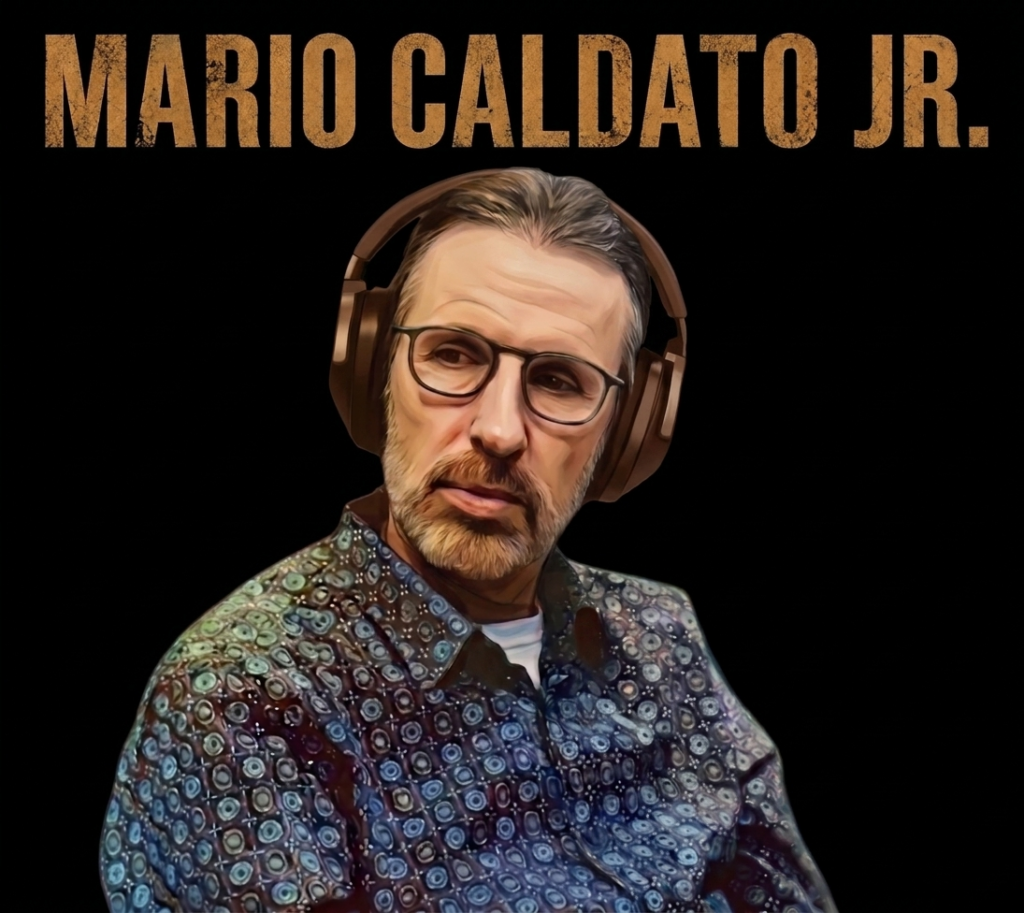
Mario Caldato Jr. reveals how he built hip-hop history using discarded gear and DIY ingenuity, proving that revolutionary records are made by trusting your gut rather than following the book.
___
Born in São Paulo, Brazil, in 1961, Mario Caldato, Jr. moved to Los Angeles with his family just a few years later. He began his musical journey early, learning to play the organ at the age of four.
Sounds Visual: Your first introduction to electronic sound modulation, I believe, was the preset buttons on a Sears Silvertone organ. Is there a direct link between the curiosity of a kid playing with organ presets and the craft of a producer sampling breaks on an SP-12, or is sampling a complete departure from that mindset?
Mario Caldato Jr.: It’s definitely different. Messing with sounds is one thing, but programming beats is a whole other world.
SV: You also mentioned often drifting off to sleep with the A.M. radio often playing artists like David Bowie, Eric Burdon, or other classic staples of that era. How much do you believe those “half-asleep” frequencies—the radio hiss, the compression, and the signal bleed—shaped the soul of the mixes you strive for today?
MCJ: I think they fundamentally do. They are your first references; they stick to the back of your mind and your soul in ways we don’t fully understand, but we feel and hear them. They resonate continuously to this day. When I hear those old tracks, they bring back the feeling of being in bed, trying to drift off, listening to “Space Oddity” or “Spill the Wine.” Those songs are like mini-movies. They have so much going on—different sections, intros, verses, choruses, bridges, and stories. It’s theatrical.
SV: I want to talk about 1968 and the sonic shift that happened that year. Your neighborhood’s demographic changed and introduced more sounds—like Al Green and Motown—playing in your friends’ houses. If you had to pick one specific “neighborhood sound” from that era—maybe a lowrider passing by, a Motown beat, or just the ambient noise—that dictates your layering style, is there one that jumps out at you?
MCJ: Well, going back to the radio, you heard a lot of Motown and Stax. Isaac Hayes was huge in my neighborhood—Shaft and his earlier songs were everywhere. Obviously, Al Green was a major force, both among the female and male community. I’d go to a friend’s house, and his mom—she was a school principal, very hip—would have those records playing. We’d be eating breakfast, listening to that music.
The Motown stuff—Marvin, the Temptations, the Supremes—and the Stax stuff were massive. And like I said, Isaac Hayes was a huge early-70s influence. It’s hard to pick just one, but those were the major pillars. Plus, you had the rock stuff—the Beatles and the Stones—getting a lot of play.
Because my neighborhood was shifting, it was really mixed. I had Chinese, Japanese, and Latino friends. There was one family nearby with eight kids—they were like two families in one—running around in their lowriders. They listened to the Motown hits and the classic oldies. Everybody listened to the same thing because it was just in the air. You could walk around the block and hear five or six different songs—sometimes the same song playing from a kitchen, a lawnmower, or a propped-open garage door. That was great. We’d be skateboarding, riding our bikes, and living in that soundtrack.
SV: You once had a classical piano teacher so strict that she literally slapped you for not practicing, causing you to quit classical music altogether. Looking back, do you think that rigid, joyless experience is what subconsciously drove you toward the lawless, “no-rules” experimentation of dub reggae, ska, and hip-hop production?
MCJ: I’m sure it did, because it freed me up to get into other things. The classical lessons had their good points—learning the basics and discipline—but when it wasn’t fun anymore, I had to stop. The teacher didn’t want my folks wasting their money. My mom asked me, “What do you want to do?” and I said, “I want to play pop music.” We found a Filipino teacher who taught me pop. She’d ask, “What do you want to learn?” and we’d work on sheet music for songs like “I’d Like to Teach the World to Sing.” That gave me freedom. It opened up my thinking; I didn’t want to be stuck in a classical room. I respect the craft, but it felt too rigid.
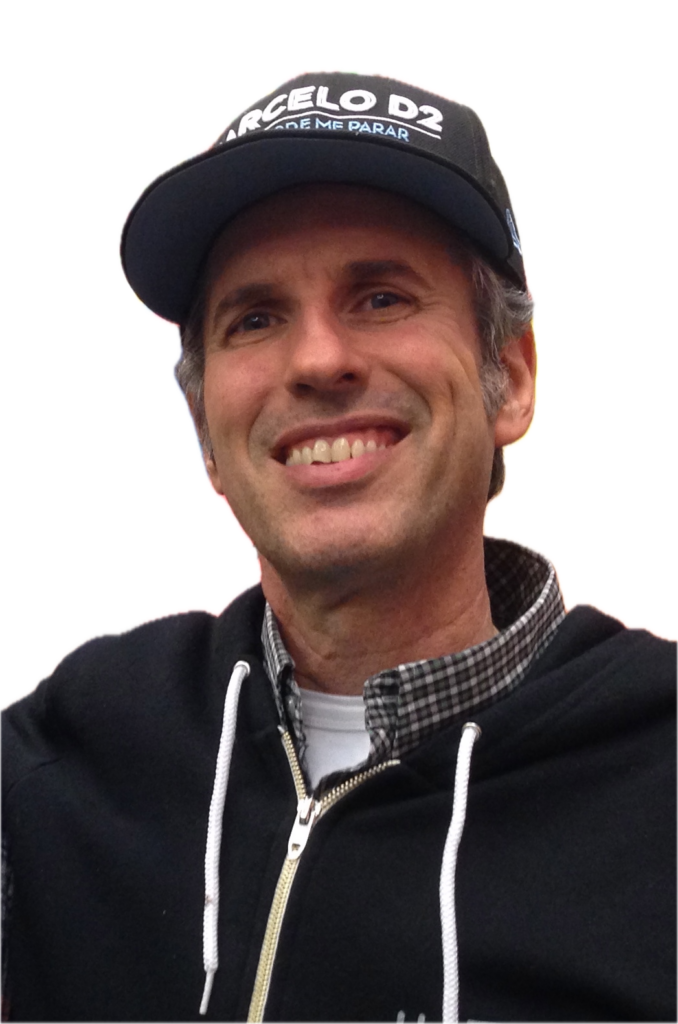
In 1986, Caldato met DJ Matt Dike at the Los Angeles nightclub Power Tools. At Dike’s request, Caldato built a recording studio in his apartment, where he went on to engineer and co-produce hit albums and singles for artists such as Tone Loc and Young MC.
SV: You built vocal booths for Tone Lōc and Young MC out of carpet-lined closets. How did you manage the low-end mud and boxiness of a deep, gravelly voice in such a small space?
MCJ: Well, it was a mini-closet, basically the width of a door and about three-by-three. You couldn’t stand up, so we had a chair. I found some carpeting on the street and tacked it to the walls to deaden it. We used a Sennheiser 421 on a RadioShack gooseneck. It was all close-mic’d—we weren’t even using pop filters back then. I’d use the roll-off on the mic if it got too “poofy,” but the guys were right on the mic, so the source was very dry. I had an Allen & Heath board; we used our ears. It was a straight deal—no external outboard gear.
SV: You mentioned the 421—that tight, directional pattern definitely helped reject the internal reflections of that closet. Regarding a track like “Wild Thing”—the “band,” so to speak, was a Van Halen riff and drum loop, with Bizzy B adding some kicks and snares. These were obviously all disjointed pieces that never played together. How did you approach gain staging and mixing when the parts arrived as a scattered puzzle?
MCJ: To be honest, most of the sampling and selecting was done by Matt Dike, the DJ who started Delicious Vinyl. He’s a mastermind because he knows what works on a dance floor—how a break fits with a rock sample or a conga break. Since the music was pre-recorded and processed, it was easier to manage. We ran it through our board to tape, which smoothed it out. I didn’t really use compression then, except for a little on the vocals using a cheap Yamaha compressor. I was taught not to over-compress, so we just tapped it to hold the peaks.
The music mixed itself sonically. I’d do fine-tuning on the console—adjusting EQ because some records are darker or muddier than others. We’d occasionally overdub live percussion—a shaker or tambourine—or have Flea come in to play bass on “Bust A Move.” If we were missing an element, we’d add a keyboard or synth pad, but we kept it minimal. Between Matt, Mike Ross—who found the talent—and myself, we just balanced it by ear until it was right.
SV: You had 2.5 seconds of sample time on the SP-12. Do you miss the “forced creativity” of those limitations, or has the modern “infinite” digital workspace made it harder for producers to commit to a vision?
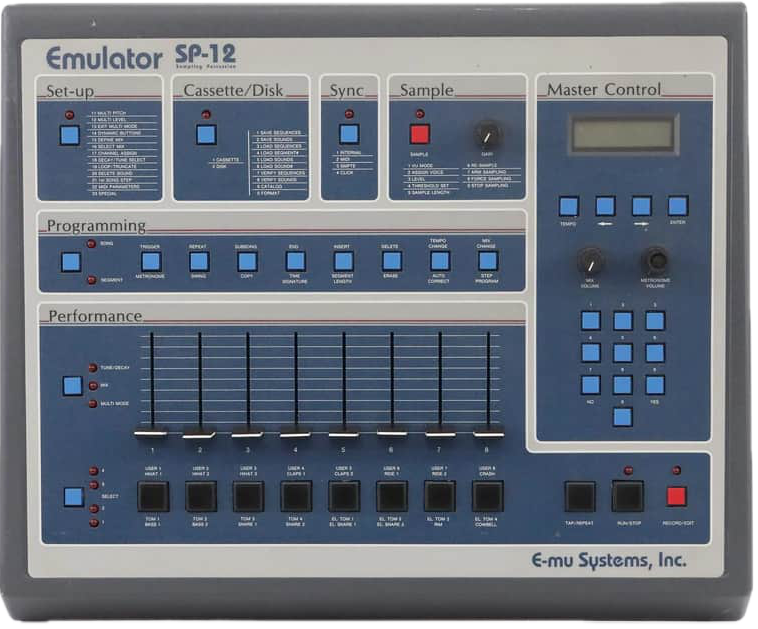
MCJ: No doubt, the limit is what made it what it was. Guys like Boogie Down Productions worked with tiny samples, but they were good ones, placed properly to make a huge impact. You were forced to work that way. Nowadays, you can sample whole songs and just do a few edits. We tried to find obscure grooves—parts of songs people wouldn’t recognize as a “hit.” Ad-Rock was a great example of that; he used the SP-12 all the way up to Hello Nasty.
SV: Mike Ross said he found a lot of his hits in the “trash pile” of unsolicited demos. What do you think modern bedroom producers miss when they rely on algorithms and email pitches rather than the “human filter” of crate digging?
MCJ: It’s a completely different approach. In our era, you had to use your ears, your gut, and your feeling. Matt and Mike were great at filtering things. Tone Lōc was spot-on with that smoky, raspy vibe, and Young MC was a witty, focused lyricist who was always writing. He helped fill in the gaps. We had a real strong team.
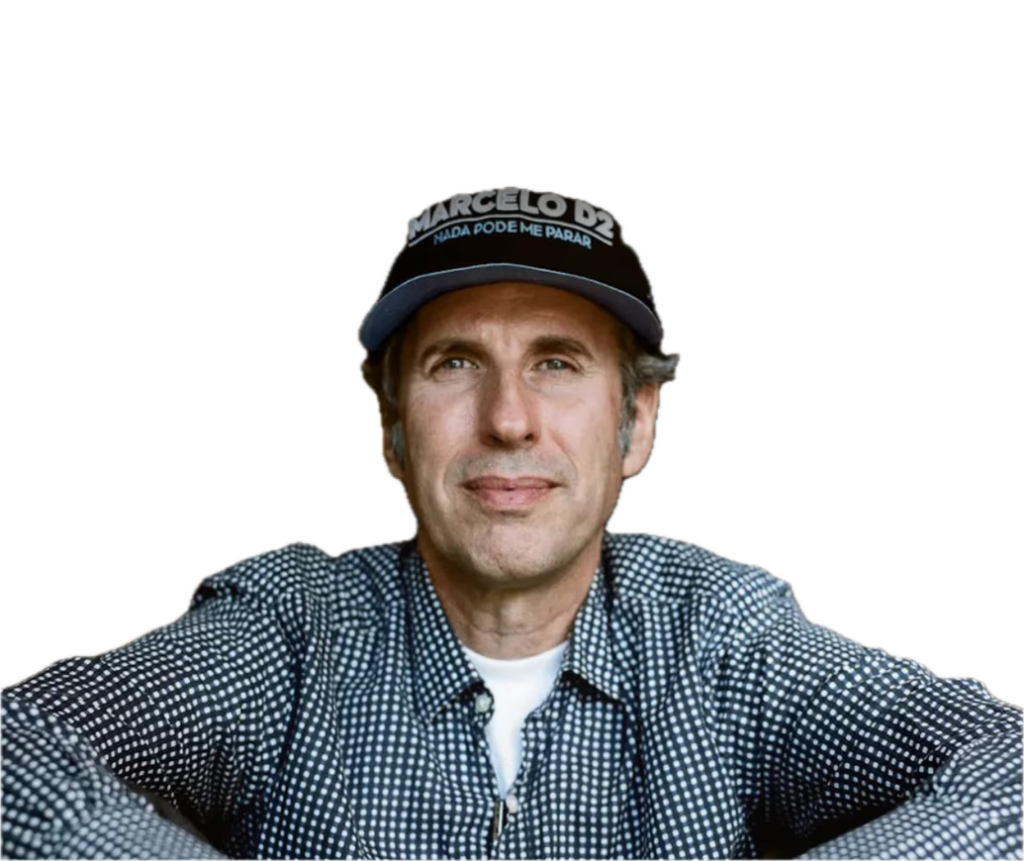
Caldato Jr. began his long-standing professional partnership with the Beastie Boys in 1988, serving as the engineer for their second studio album, Paul’s Boutique. He later went on to co-produce several of their landmark records, including Check Your Head, Ill Communication, and Hello Nasty.
SV: You described the PPS-1 box/SMPTE timecode as a “crazy science” revelation. How did that transition from “live-running” drum machines to synchronized automation change your view of a song’s architecture?
MCJ: That opened a whole new world—being able to sync up without stuff drifting. When you run two drum machines on their internal clocks, they drift within thirty seconds or a minute, and get way off. We used to record constant loops of music to tape and use the board’s mutes as the sequencer. We’d turn channels on and off to arrange the song—bringing in a beat, then a roll, then the vocals.
We started with eight tracks, which was enough for simple rap things, but it got tricky if you wanted more. When I upgraded to a 16-track, having SMPTE made it easy to sync up the rest of the tracks. That was a “Dust Brothers” gift—John King and E.Z. Mike were doing that with four-track cassettes, running 20 different samples. That technology was the beginning of the Beastie Boys’ Paul’s Boutique.
SV: Regarding the manual “mute” mixing—how does that tactile performance approach give a track something modern “gridded” music can’t replicate?
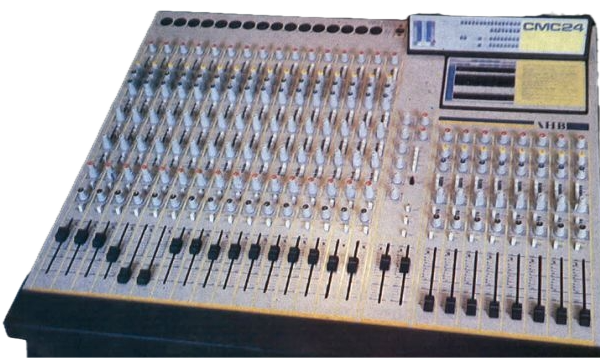
MCJ: I had an Allen & Heath CMC-24 board with MIDI mutes that ran off a sequencer. John King figured out how to use the SMPTE to run the automation for the sequencer. You’d create five or six “scenes” for a song—places where specific channels would open up. It freed us up for the arrangement, but the actual mixing—the levels and effects—was manual. Every mix was different. We’d run a few mixes, find the one we liked, or do an edit. It was the medium of the time, and we learned how to maximize what we had.
SV: When you guys worked on Paul’s Boutique, Capitol Records handed the Beastie Boys a multi-million dollar budget, resulting in a $3,000-a-day studio at the Record Plant filled with pool tables, air hockey, pinball machines, and prime rib orders. Does that level of unchecked financial comfort at a studio like the Record Plant actually foster a better creative playground, or does it risk killing the hunger and grit necessary for raw hip-hop?
MCJ: Rock bands loved the big studios with the bells and whistles. The Record Plant was notoriously party-central, but it was wonderful. You never knew who you’d see—the Eagles, Guns N’ Roses—there was an energy in that building. We had ping-pong tables and air hockey in the live room just to fill the space and have fun. It was a creative place with the right tools.
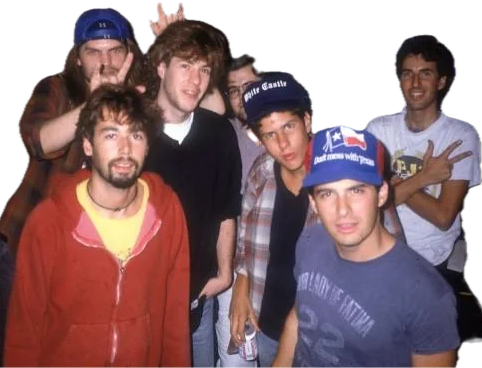
Above: the Beastie Boys with Mario C. & the Dust Brothers.
Caldato Jr.’s role on Paul’s Boutique was foundational to its sonic architecture; he served as the crucial engineer who helped translate the Dust Brothers’ dense, sample-heavy vision into a cohesive final mix. His collaborative approach in the studio—treating the environment as an experimental space for constant layering—allowed the group to push past the limits of traditional hip-hop production and set the tone for the long-running creative partnership that followed on subsequent albums like Check Your Head.
SV: Looking back at that brief, lawless window before sample clearance laws changed, do you view Paul’s Boutique as a historical anomaly that could physically and financially never be engineered today?
MCJ: True. They learned the lesson after the first record: if you sample, you have to get it cleared. When we finished, the Dust Brothers turned in all the samples to the lawyers. It was case-by-case; some were buyouts, some were percentages. People back then were often happy to take $5,000 to let you use a song. They spent a fortune of the budget on clearances, but they got it done.
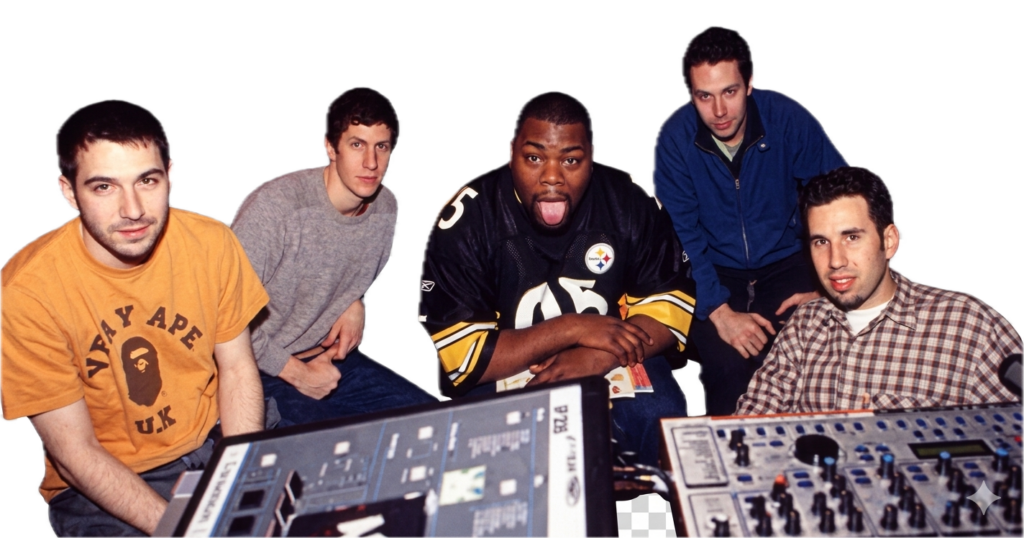
Above: Caldato, Jr. with the Beastie Boys and Biz Markie.
SV: You built G-Son [a recording studio/clubhouse] with the Beastie Boys in an old community center with a half-cylinder ballroom ceiling. Instead of dampening it, you embraced the room’s “multiple reverbs.” How did you manipulate mic placement on Mike D’s kit to turn that chaotic room tone into a signature percussive texture?
MCJ: It was a big, live room, so we did some treatment. We put up theater curtains on the main wall and used the skateboard ramps they built to break up the linearity. We carpeted the stage to pad it down. We experimented with recording in different spots of the room, and eventually, we built a little shack over the drums to add some control while keeping the room’s depth. We even recorded drums in the hallway and staircases just to goof off and try some new things.
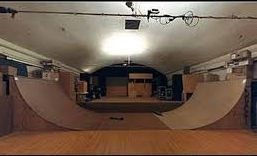
Above: The Beastie Boys’ indoor half-pipe at G Son.
SV: You recorded live Beastie Boys jams on floor mics and flew those low-fi fragments into 2-inch tape. How did you compensate for the total lack of isolation between the drums, bass, and keys?
MCJ: You’re likely referring to the rehearsal space we used after Paul’s Boutique, called Cole Rehearsal Studios in Hollywood. It was a two-track setup. We’d put PZM mics on the floor, hit record, and let it run for two hours. When we reviewed those tapes, we found cool ideas. One song in particular—”Something’s Got to Give”—came from that. The underlying groove is just a two-track recording of everyone in the room. We added drum breaks, laugh machines, and vocals later to build it out.
SV: With the band cupping SM-58s and screaming—creating intense proximity effect and phase cancellation—how did you manage the “low-end mud” while keeping the energy of a live punk show?
MCJ: In the studio, they’d do the same “cupping” approach they used live because they didn’t like fancy mics. For Check Your Head, I brought in cheap, shitty mics—a karaoke mic in particular [a Sony Karaoke Mic, the ECM V-1]. That distortion is naturally overloading. You listen to “So What’cha Want,” and that’s the karaoke mic. The distortion and frequency limitations became part of the sound.
SV: For “Sabotage,” when you finally tracked Ad-Rock’s high-pitched vocal over the band’s locked-in instrumental, what adjustments did you make to ensure his screaming frequencies didn’t choke out Yauch’s iconic fuzz bass?
MCJ: The mix was actually already done—it was going to be an instrumental—until about two weeks before turning the record in. Ad-Rock said, “Hey, I’ve got an idea. I want to try one more time with vocals.” I wasn’t going to remix the whole thing, so we just set it up on two tracks and overdubbed what we needed. I just threw up the mics, and the attitude was there. He just screamed into it. I probably ran it through some compressors, and he was likely peaking it out, but I smashed it down, and it was basically a one-taker. He nailed it. We doubled it, and the next day the guys added that bridge part, the scratching—the rest is history.
SV: How do you map out an arrangement when the guest’s ad-libs land just before the main artist’s lyrics or structural intent?
MCJ: Well, that’s a good example because we did exactly that on “Get It Together,” which featured a Q-Tip freestyle.
Basically, you already know what the upcoming rhyme and punchline are going to be, so they knew what to say in those open gaps. We just worked around those specific parts. When we wanted Q-Tip to answer a line, we knew exactly what he was talking about.
We built that track specifically around his vocals, which I believe he actually did in just one very quick take. After that, we did our homework—investigating and seeing what would work best around it.
SV: When moving from the years-long experimentation of Check Your Head to a strict 30-day deadline like DJ Hurricane’s record, how did you shift your engineering philosophy?
MCJ: Well, it’s case-by-case; each record is different. For Check Your Head, we built the studio and took a long time to nurture the project. That required two and a half, almost three years to complete.
The Hurricane record, on the other hand, took maybe 30 days total. But that was a much more straightforward formula: rap songs with samples, beats, scratching, vocals, and a few live elements, but nothing overly complex. Because of that, it was a lot easier to just dive in and finish the records. It really is just a case-by-case process depending on the track.
SV: When starting with a raw, lo-fi demo, what specific structural elements—such as tempo, vocal range, or groove—do you analyze first to map out the production?
MCJ: Well, that is the question. It’s entirely case-by-case, depending on the song, what we’re trying to go for, and the state of the demo when we receive it. Deciding if it feels too fast or too slow is really just a gut feeling—determining what it hard-feels like, honestly. From there, you obviously look at the groove and all of those other elements, but it is always a case-by-case process.
Sometimes a demo can be really, really close and accurate to how the final song ultimately turns out. Other times, it’s just the very first step. So, it really depends; it’s a case-by-case situation.
SV: How do you foster a studio culture where technical mistakes, like feedback loops, are captured and exploited rather than immediately corrected?
MCJ: Well, let’s look at that. A lot of times, happy accidents end up staying. If they’re charming and helpful to the music, we just ride with them—it’s ultimately a matter of taste. Randomly turning on an effect in the middle of a song can create a great dynamic change. Because we were always free to mess around in the studio, we came up with some very happy accidents that came together beautifully.
“Something’s Got to Give” has a few of them. Just like a lot of the remixes and dubby stuff we did, that was definitely all freestyle—just playing with effects and letting things go.
SV: How often did eccentric side projects—the Country Mike record, for example—or studio visitors derail sessions versus accidentally saving them?
MCJ: Well, when we were making what actually became the record after Ill Communication—we didn’t know what it was called yet—there was a lot of time in between. We ended up going into the studio to record some stuff, and that wound up becoming the Aglio e Olio hardcore EP. I don’t even know if we kept anything from those sessions that ended up being lost; I think we just put it all together on that EP.
Country Mike was also around that time. There was a little basement studio on Mott Street—they called it the Mott Street studio—which was an underground sub-studio. It was a musty place, but we set up an 8-track in there. The guys would horse around, and they came up with this idea of doing that Country Mike record. Some of the Brazilian-style stuff we did was also recorded there and ended up making the final album. The Bossa Nova tracks were recorded there, too.
SV: Did the one-and-done workflow of your mid-90s remixes serve as a necessary palette cleanser from your usual obsessive, multi-layered sample architecture?
MCJ: Yeah, I mean, remixes are just fun because you are completely free to experiment with ideas. There really isn’t a lot of pressure; you just do what you feel.
Because of that, it was always fun to be asked to do them for other people. And obviously, we did a few for the Beasties, too. It’s just nice to change up the vibe like that.
SV: On your “Army of Me” remix, how did you EQ Yauch’s upright bass to ensure its natural decay wouldn’t get swallowed up by the track’s heavy digital weight?
MCJ: You know, I would just EQ whatever felt right for the track. There was nothing in particular, but obviously, we like things bass-heavy, so I probably EQ’d it pretty decently. You just make it work.
There are different approaches to this. Sometimes people add the drums and bass first and build the track around that. Then there’s a different school of thought where you put everything else in the mix first and leave the bass for last. I guess that’s more of a Paul McCartney approach, where he could find the open holes in the arrangement and see where the bass would fit without interrupting the other elements.
SV: You were immortalized as part of the Beastie Boys’ mythology (“Mario C likes to keep it clean“). Did that hyper-intimate relationship make it harder to be the “authority” in the room when you had to tell them a track wasn’t working?
MCJ: We were very open to everyone’s ideas. It was a cooperative—everyone participated and was respected. That’s how it should be. Even someone like Hendrix needed an Eddie Kramer to help materialize those “phasing and flanging” ideas. The Beastie Boys would challenge me to create something, and I’d plug in gear. Sometimes you hit the mark, sometimes you miss, but the point was to try. Like Adam Yauch putting a switch on his bass to turn the fuzz on and off—he came up with that “transformer” sound that nobody else had.
SV: You’ve flipped tape reels backward or run them through gear in “dangerous” ways. When working without a digital safety net, how do you cultivate the confidence to perform those irreversible stunts on a master session?
Above: An unreleased/B-side Beck track from the Odelay sessions at G Son, for which Caldato, Jr. physically flipped the 2-inch tape reel completely backward and ran it slow through a plate reverb.
MCJ: Back then, it was normal. I don’t know if “dangerous” is the exact word I used, but it was tricky—you had to be careful not to erase something. If you reverse the tape, you have to make sure you take that track out of record, otherwise, you’re recording over something else—which may have happened once or twice!
But it was always fun because you never knew what it would sound like. There’s a magic and an excitement to that. When you break down a multi-track and start hearing all the weird, flipped tape stuff, you think, “Whoa, that’s trippy.” It inspires you to do other things.
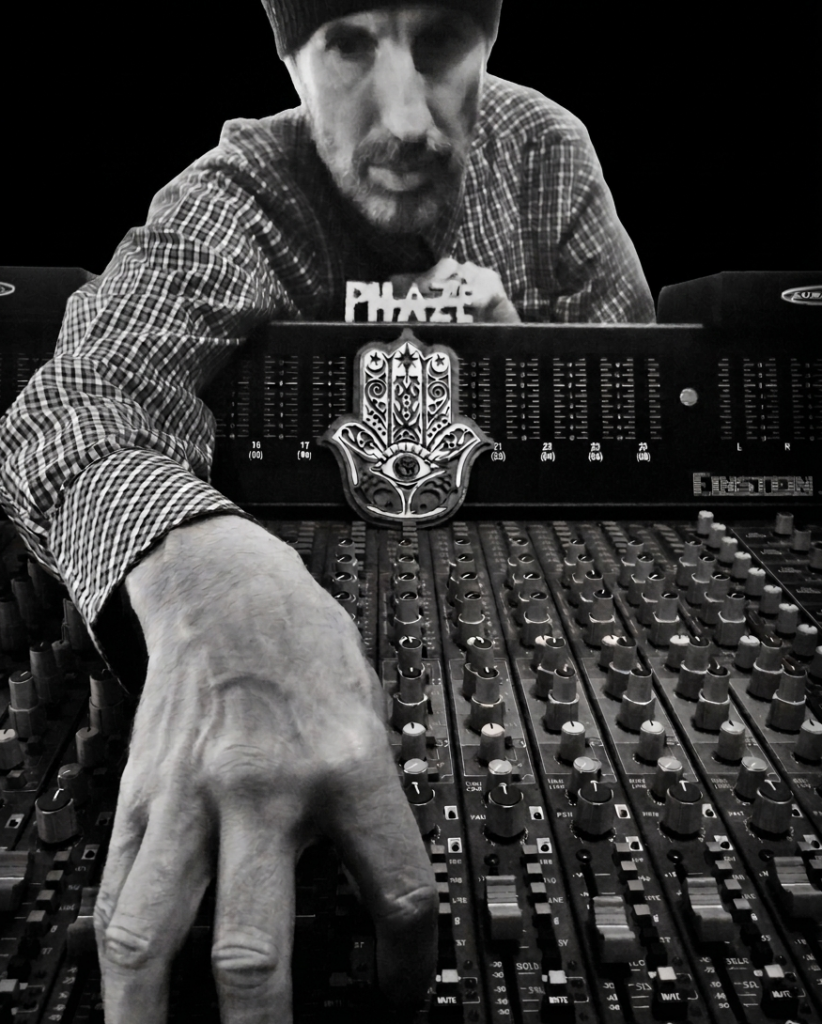
SV: You once noted that digital is a “mirror image” that can be too literal. What is your go-to analog chain today for “messing up” that signal before it hits the DAW to bring back the humanity?
MCJ: It’s situational. I love analog, but sometimes you don’t need it. I’m a fan of the “big picture.” If you aren’t getting the sound you want, you start running things through gear and balancing it in. It’s a tool—a very good one—but like a mirror, you get back what you put in, and you always have the opportunity to mess it up.
SV: When you produced Marcelo D2, you had to fit syncopated samba guitars into the space normally held by 808s. What was your strategy for making “dusty” acoustic samba feel as heavy as a funk break?
MCJ: The principles are the same—sound is sound. You want your kicks and snares to be as thick and big as possible. The samba brings the swing, the percussion, and the guitars, which is a very cool, complementary element to hip-hop. It’s not utilized as much here in the States, but in South America, they’re very crafty with it. J Dilla’s coolest stuff is very Brazilian-influenced; those samples make it pop.
SV: How does your approach to room tone and dynamics change when moving from fixing a band’s raw audio to capturing a flawless performance? Do you find Brazilian versus American musicians struggle with different technical hurdles?
MCJ: It depends. If you’re doing something raw—more on a punkier or alternative vibe—you kind of just go for it. If an imperfection doesn’t hurt the song, you just leave it. You don’t have to fix everything.
That was usually the case with the Beastie Boys; we weren’t trying to make it polished like a pop record. On some other records, I might have to focus a bit more on a cleaner, more precise kind of vibe. But even then, I’m still not very keen on fixing everything. I prefer leaving things more natural, only fixing what is absolutely necessary and essential to the song. For me, less is more.
As for the difference between Brazilian and American musicianship, it’s just different folks with different approaches and different talents. It’s a case-by-case thing as well. The musicians vary in their talent and skills depending on who is around the scene, but ultimately, there really isn’t that much of a difference.
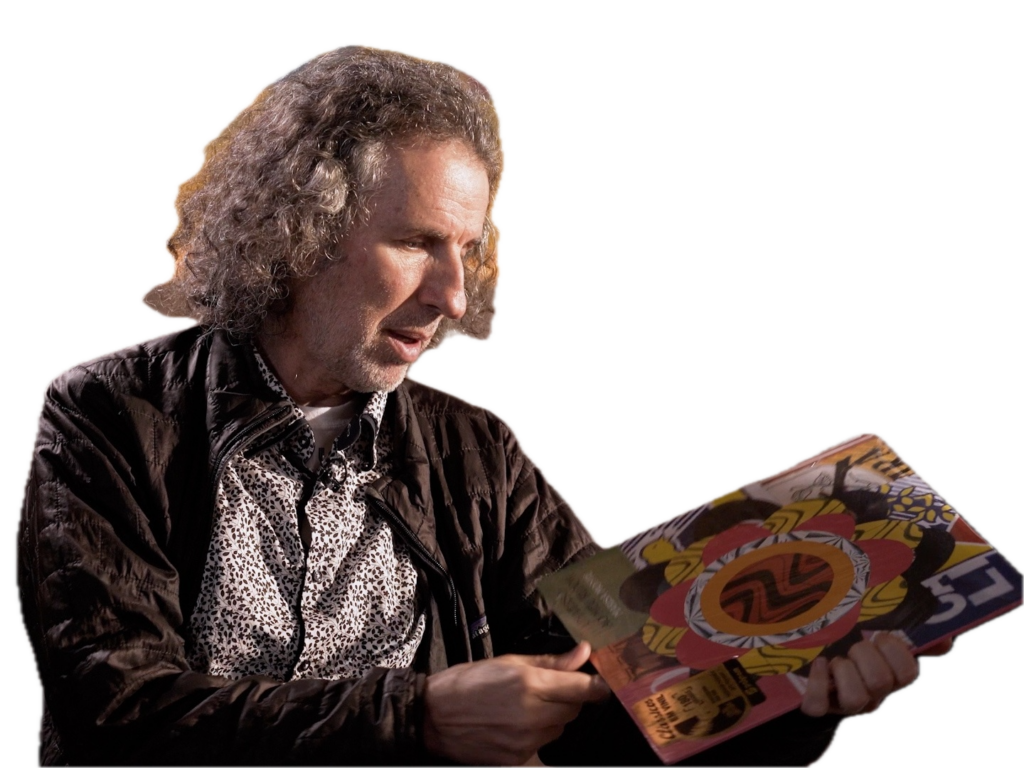
SV: For a bass-heavy Brazilian mix, are there specific frequencies that are most compromised when a mastering engineer over-compresses the dynamic range?
MCJ: I don’t know if I know exactly how to answer that in technical terms. Usually, you just mix it to where it sounds good and feels good to you, keeping as much bass as possible without letting it eat up the rest of the mix.
The fine-tuning in mastering is really up to the mastering engineer regarding which frequencies they cut. They will probably use a low-cut sub-filter if it’s too muddy—filtering out things at 20 Hz, 25 Hz, or 30 Hz to tighten it up. You still have plenty of low frequency at 30 Hz and 40 Hz, but the sub-bass stuff below that sometimes doesn’t transfer so well to most playback systems. So, that’s probably the first thing they would cut.
From there, if anything is poking out too much at 60 Hz or 80 Hz, they might tuck it in or apply a multi-band compressor just to the low end when there are issues. But ultimately, we just like bass.
SV: When a band tracks quickly and expects you to “fix it in the mix,” do you have any go-to corrective steps for managing instrument bleed and tightening the pocket?
MCJ: Well, it’s case-by-case depending on how it was recorded. You never really know what you’re going to get. You receive the files or the tapes, investigate, and see if there is bleed on the live drum tracks that might cause an issue.
If that’s the case, you obviously have to use some gates on the tracks that aren’t playing constantly, like the tom-toms. Sometimes you even have to gate overheads or room mics—those are always tricky, too. You want to clean them up and then just open them up when the cymbals come in, using EQ and your feel to do whatever is necessary.
As far as other instruments go, if they are recorded direct (DI), there usually isn’t much bleed. If it’s percussion or sometimes a live piano, then you have to work with the EQ to manage any bleed.
When it comes to tightening up the pocket of the mix, you’re focusing on balancing everything out. You apply compression if the tracks are too dynamic, just to make everything sound a little more cohesive for the mix if that’s what is needed. You’re just using your own feel and judgment.
That is really what the art of mixing is all about. Everyone has their own taste, their own likes, and dislikes. You are essentially like a chef cooking it up, so the band has to trust you.
SV: Does it ultimately matter more to you to create a sound that nobody has heard before, or one that feels like it has always existed?
MCJ: I always strive for originality and uniqueness. The goal is to come up with something that hasn’t been done or has a different character.
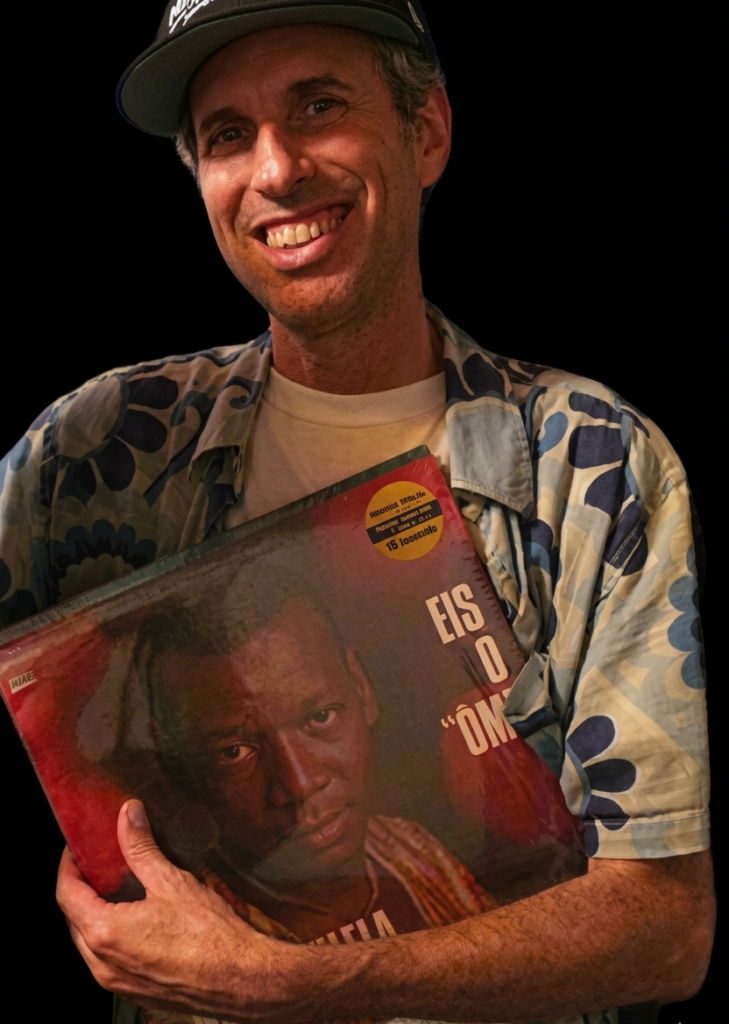
SV: On Seu Jorge & Almaz–as well on the new Seu Jorge record–you pushed the reverb to the limit. How do you balance that “immersive vintage atmosphere” so the rhythm section retains its punch without getting swallowed by the wash?
MCJ: That record [The Other Side] was inspired by the lush, CTI-style arrangements and the classic Milton Nascimento sound—that 70s vocal reverb is drenched, but it’s essential to the vibe. Seu Jorge’s voice is so powerful that it sits on its own level. The musicians know how to build a “bed” around him; it doesn’t have to be loud or flashy, they just allow him space.
SV: On the new record, what were the challenges of blending intimate baritone vocals with Miguel Atwood-Ferguson‘s massive string arrangements?
MCJ: It started with one song, “Girl, You Move Me”—just Jorge, an acoustic guitar, and a mic. I added a lot of verb, and it sounded so deep and moving. I had just seen Arthur Verocai perform, with Miguel conducting, and I was blown away by the orchestration. I briefed Miguel on the sound I wanted—some João Donato, some John Barry—and he came back with these tracks. They’re immense, enormous, and mystical, yet minimal. That planted the seed for doing the whole record orchestrated.
SV: How do you add textures like phasing or space echoes to traditional Samba without sacrificing the genre’s cultural authenticity?
MCJ: Well, I had never actually worked on Samba before I was asked to do this project. I was just told to do what I normally do. So, like with any other instrument or sound, I experimented, added effects, and went with whatever sounded good. There are no strict rules—especially when you aren’t trying to make a traditional record.
That was exactly the case for me with Samba. On the more hip-hop-infused and psychedelic tracks I did with Marisa Monte, she specifically requested those effects, which made it a beautiful collaboration.
SV: You shared an amazing story about a session bassist who purposefully played every single wrong note in a song first, explaining that he had to map out what not to play before he could execute the perfect track. As a producer sitting in the booth under tight session hours, how do you learn to read the eccentric, highly individualized “languages” of different elite musicians without letting your own engineering biases or panic disrupt their creative process?
MCJ: That was the lesson I learned with Sly and Robbie in Jamaica. We were working on a track, and Robbie Shakespeare was playing, but it felt like he was playing in the wrong key. I almost said something, but I held back. Then he said, “I’m ready now,” and played it down in one take—it was incredible. The artist, Vanessa da Mata, was in tears. Robbie told me, “Mon is figuring out which notes to play.” He played the wrong notes to clear them out of his system. I learned never to say anything to a pro again.
SV: Can you share with us some upcoming projects, or anything you’d like to plug?
MCJ: Myself and my wife, Samantha, are running our label Amor In Sound. We’ve released records by Brazilian artists, Voices of Creation, and the new Seu Jorge record, The Other Side. We have a lot in the works: a collaboration between Alvaro and the Lancelotti family; a project with João Paulo Pimenta and Gabe Noel that’s half-improvised and half-inspired by Fado music; and a tribute project to the group Os Tincoãs.
SV: Mario, final question: if someone wanted to understand the “Mario C” identity through just three albums, which three would you choose?
MCJ: That’s an interesting question. That’s a good one. Definitely Check Your Head—it blends styles and genres in a way that’s cohesive, which is incredibly difficult. Second, the new Seu Jorge record, The Other Side, because it represents me at a mature stage in my life, while still having that orchestrated, psychedelic vibe. And third, Jack Johnson’s On and On. It was organic, simple, and we did the whole thing in my garage. It represents the “other side” of Mario C—just good vibes.
SV: Mario, thanks so much for your time today.
MCJ: Yeah, it was great. Appreciate it.
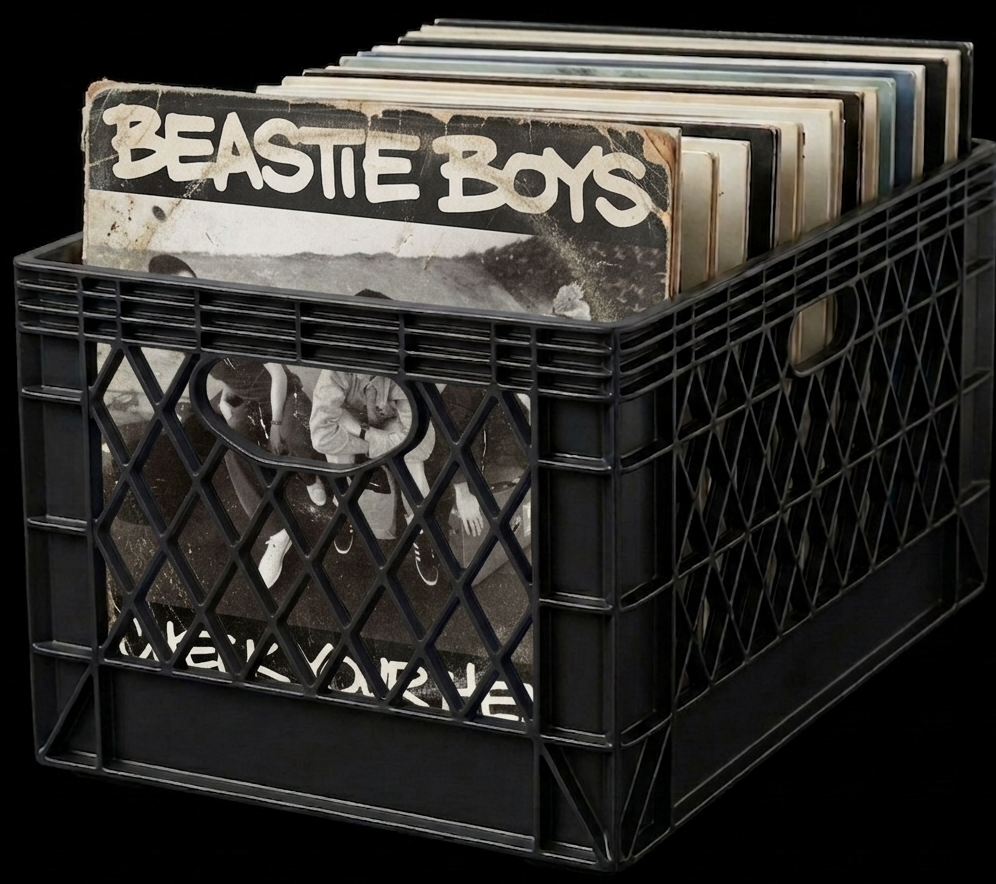
Further listening:
Money Mark: Push The Button (1998)
Beck: Odelay (1996)
Marcelo D2: À Procura Da Batida Perfeita (2003)
Jack Johnson: In Between Dreams (2005)
Beastie Boys: Ill Communication (1994)
Seu Jorge: Samba Esporte Fino (2001)
Bebel Gilberto: Tanto Tempo (2000)
The John Butler Trio: Grand National (2007)
Arno: À Poil Commercial (1999)
Planet Hemp: Os Cães Ladram Mas A Caravana Não Pára (1997)
Beastie Boys: Paul’s Boutique (1989)
Hurricane (2): The Hurra (1995)
Bebel Gilberto: Tanto Tempo Remixes (2001)
Money Mark: Brand New By Tomorrow (2007)
Vanessa Da Mata: Sim (2008)
Ghost of Vroom: 1 (2021)
Marcelo D2: Iboru (2024)
sElf: Ornament & Crime (recorded 2001-2004, released 2017)
The Dandy Warhols: …The Dandy Warhols Come Down (1997)
Soulfly: Soulfly (1998)
Molotov: Apocalypshit (1999)
Ozomatli: Embrace The Chaos (2001)
Nigo: Ape Sounds Remix (2001)
Super Furry Animals: Love Kraft (2005)
Donavon Frankenreiter: Donavon Frankenreiter (2004)
The Avalanches: Since I Left You (2021)
Leave a Reply
You must be logged in to post a comment.