
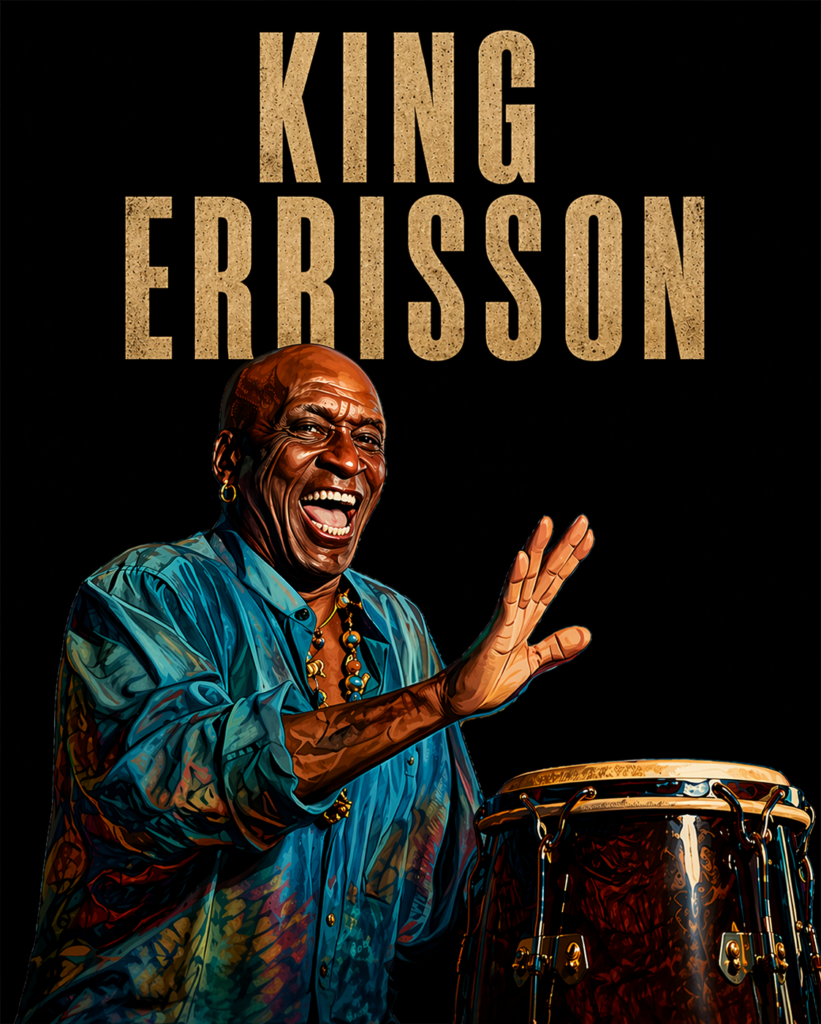
From Nassau to Motown, percussionist King Errisson provided the heartbeat for music’s greatest icons. Now, the “unsung hero” of the Motown era recounts his storied journey and his hand in creating one of hip-hop’s most foundational breakbeats.
King Errisson: I was born and raised in Nassau, Bahamas, and I grew up traveling around the world because I was always on the move. From the time I was 16 until now, I’ve just been going, going, going. My father owned a couple of grocery stores, and he was also a fisherman. Early in the morning, he would go out fishing, and in the middle of the day he would help my mother with the grocery stores. I think that’s where my music really started. I used to play on little toddler toy boxes, coffee cans, and things from the grocery store. That’s how I developed my sense of rhythm—just making music from whatever was around me. I guess I naturally took a liking to it.
I didn’t set out to be a musician. I just enjoyed playing and singing. But I was also a jockey for four years, and that’s how I made my first money. I got used to earning my own living. Eventually, when I started gaining weight and got too heavy to be a jockey, I figured it was time to move into music full-time. That’s how I ended up traveling with different artists and groups. I had a unique style, and things just seemed to fall into place. Everything I tried worked out for me.
That’s why I decided to take lessons. I studied at Mahoney Drum Shop in Las Vegas. But my first love was the congas and bongos—anything percussion-related, like cowbells and other hand instruments. When I moved to Las Vegas, I began studying drum set seriously because I knew that one day I wanted to play in recording studios. But I became so good at percussion that nobody really asked me to play drums. They always called me for congas, bongos, and other percussion instruments. So I ended up spending 18 years in Los Angeles known primarily as a percussionist—and I made a great living doing that.
One of my earliest musical inspirations was Berkley Taylor, who went by the nickname “Peanuts.” Peanuts is still a very good friend of mine to this day. I first heard him play at a club, where my uncle used to take me. By that time, I was already playing rhythms on cream cans, coffee cans, cardboard boxes—whatever I could get my hands on. But when I heard Peanuts for the first time, I was about six or seven years old, and I told my uncle that’s what I wanted to do. About a week later, I started studying with a man named Sean Shipman. He introduced me to real hand drums—goatskin drums—and taught me strict rhythm. From there, I connected again with Peanuts Taylor, who later became a close friend. I asked him to teach me his style, but at the time he was so busy he didn’t have time.
My first steady job was at a place called the Coconut Grove, at the Coconut Club in Nassau. From there, I moved on to a little club called the Famous Door, working with a guitarist named Saul Fraser, who taught me a lot about music. While I was playing at the Famous Door, a very prominent limbo dancer saw me perform. He liked the way I played. He was a big star, and he invited me to come with him to Miami. I spent about a year there, performing on the beach. After that, I was hired to go to Japan with another performer. I worked between Tokyo and Osaka, and that experience expanded my career even further.
When I came back to the Bahamas, I took some time to regroup and refocus musically. I wanted to reconnect with my roots and really understand the foundation of the music around me. I began spending time with and learning from musicians that were older than I was, and I admired what they were doing. I followed them closely and absorbed everything I could. From them, I learned how to blend traditional Bahamian music with jazz and pop. By the time I stepped onto the stage professionally, I already had a clear vision of what I wanted to do as a musician. I was mentally prepared.
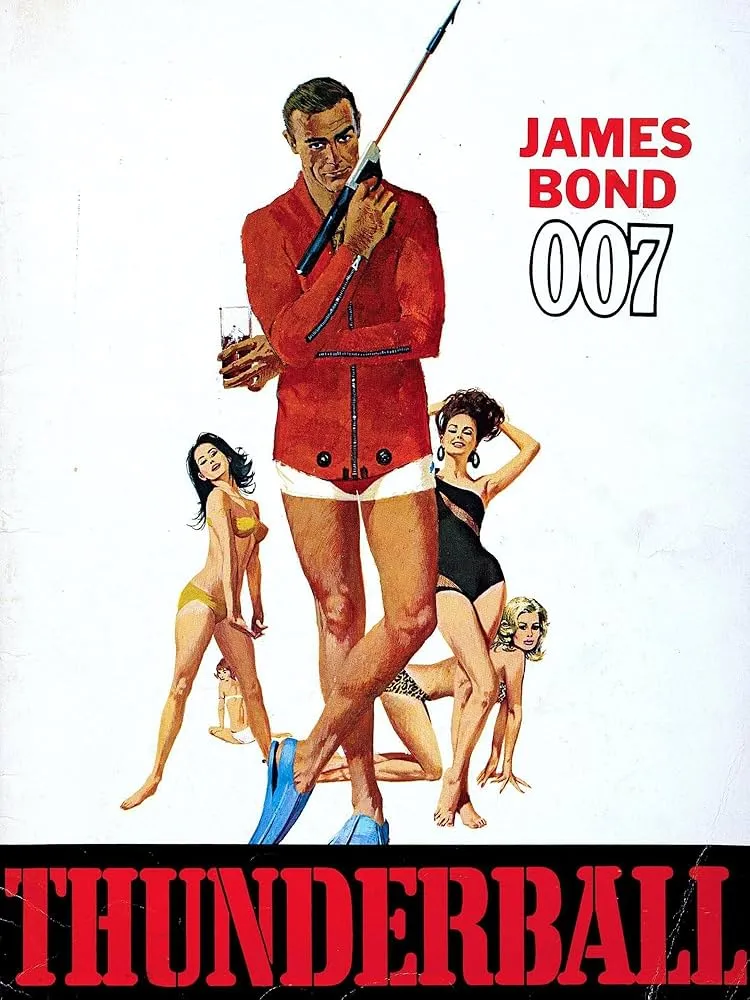
Then I got a lucky break—just in time for the filming of Thunderball with Sean Connery—which truly launched my career as an entertainer. I was performing at a club called the Conch Shell when Sean Connery walked in one night and heard me play. From that moment on, the rest is history.
Got lucky, came to America, and ended up meeting Cannonball Adderley and Redd Foxx. I did half a dozen albums with Cannonball, starting with “Accent on Africa.” One of his big albums. I did that for about a year, then I became a studio musician because of Cannonball Adderley and Joe Williams.
I was discovered by Redd Foxx in Bermuda, and Redd brought me to L.A. to work in his clubs, on La Cienega. Then I ended up meeting Sammy Davis, Jr., and Johnny Carson, who offered me gigs and from then on, different producers like Jack Arnold would always call me to play percussion for his sessions. And I met Berry Gordy and I became what he called “the unsung hero of Motown.” So did his ex-wife, Ray Singleton. And everybody who saw me always had something nice to say about me. I kept going.
“Thunderball” had already launched my career. I did a lot of concerts on my own because of that film. I learned to play jazz music. By the time I got to Hollywood, everybody knew me. Hollywood in the ‘60s was very cliquish, so I tried to get in. I did around ten to fifteen sessions a month—sometimes four or five a day. That went on for eighteen years straight.
Sounds Visual: I just pulled out a Cannonball record you’re on called “Inside Straight,” [Fantasy, 1973] which was produced by David Axelrod. I never pass up the opportunity to talk about Axe. You worked with him a bunch, right?
KE: I did at least forty sessions with Axelrod. All of Cannonball’s stuff he did in L.A.—Axelrod would call me for those sessions. I played on all those [Axelrod-produced] records for Lou Rawls and Nancy Wilson. I was his go-to-man.
I remember working with Cannonball on the [Axelrod-produced] “Accent on Africa” album (Capitol, 1968) and there was a piece of music that had some funny changes in it. Nobody could get it right. Earl Palmer was the drummer, and Caiphus Semenya and Letta Mbulu were on that date, too. But nobody could get that piece of music right. I had to show each of the musicians on that session what licks to play and how to play it to make the piece of music come together. After, Axelrod says to me, “From this day on, every session I do, you’ll be on it.” He used to have me sitting there in the studio just on standby, in case he decided that he wanted what I was doing.
I was always on call for somebody. Very lucky and very blessed when it came to studio percussion. Along with Axelrod calling, and people like Jack Arnold, and Jeff Porcaro, and Jeff’s dad Joe Porcaro—I was always in the mix.
SV: King, let’s talk about just a small handful of records that you’re on—next up in my stack here is Lalo Schifrin’s LP, “Rock Requiem.” [Verve, 1971]
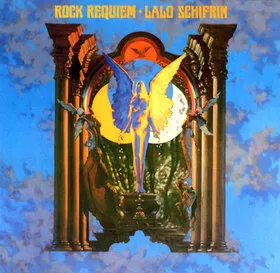
KE: That was my first Schifrin record. I was watching a movie the other day called Joe Kidd, and I heard myself and Lalo on the soundtrack. I did a lot of soundtrack work as well.
SV: Here’s another record I absolutely love: Blue Mitchell’s “Bantu Village.” [Blue Note, 1969]
KE: Yeah I did three or four Blue Note albums with Blue Mitchell.
SV: Moving up to 1971, you’re on organist Charles Kynard’s self-titled record released on the Mainstream label. The drummer on this date was James Gadson. You and James are so locked in together. It’s amazing!
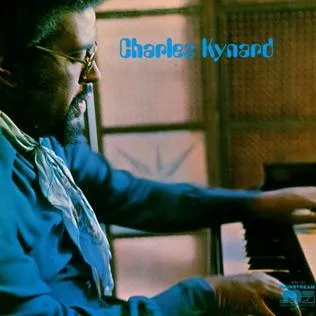
KE: He and I did a lot of work together as well. What a fantastic, groovy drummer. Very special guy. There was a time when a half-dozen musicians were called for everything that producers would do, because the producers knew they were gonna get what they wanted the first time around. The best thing for a good drummer or a good musician is to be able to get in there, do those three hour sessions, and get out so the producer wouldn’t have to spend more money than necessary. We never went overtime because we never missed a beat.
I’m so glad I’m doing this interview because these things were so long ago. You’re bringing me back to stuff I forgot I did! I was so busy, moving across the board. A lot of things slipped my mind.
SV: You’re also an accomplished songwriter, and you wrote some material for Eddie Kendricks on his self-titled record on Tamla in 1973.
KE: Yeah, I wrote his first hit record after he left The Temptations. “Darling Come Back Home.” Eddie was a good friend of mine.
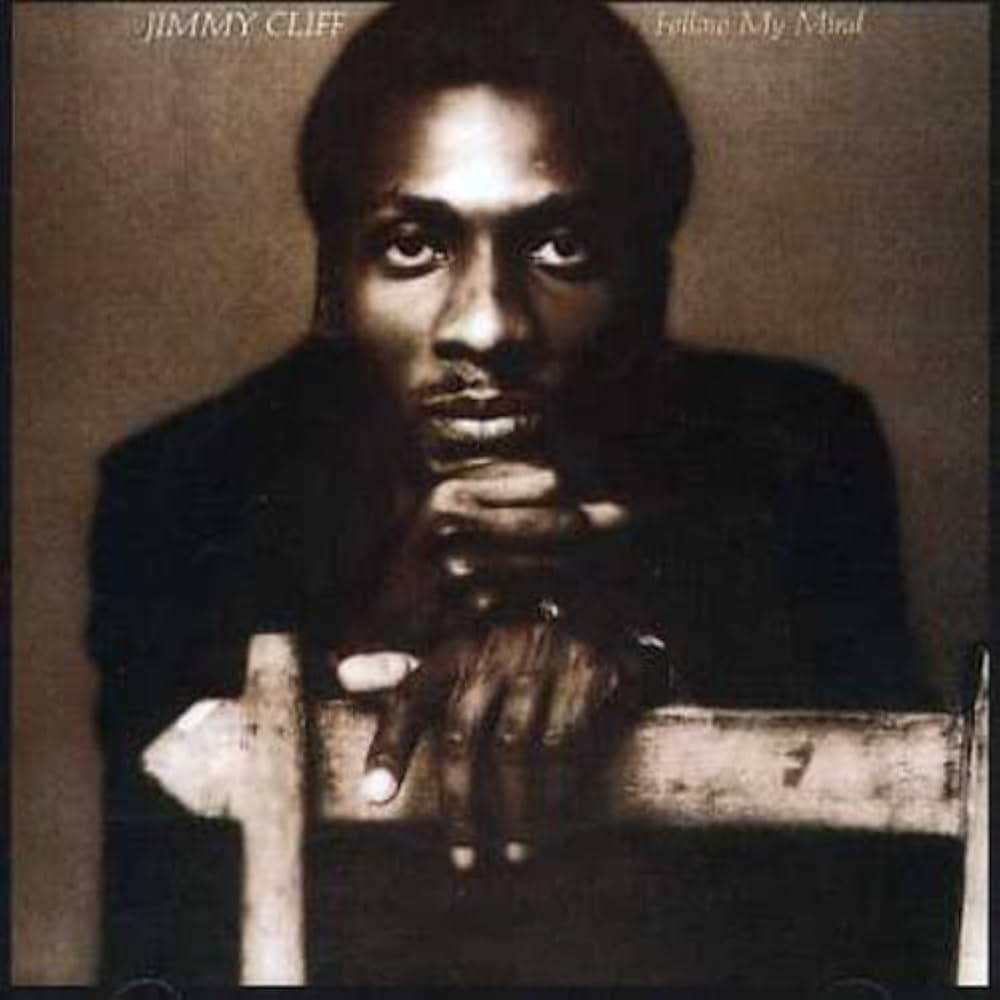
SV: I also enjoy this Jimmy Cliff record you’re on, “Follow My Mind.” [Reprise, 1975]
KE: I liked his music a lot and was happy to play with him. They never hired too many outsiders because they were so into their own Jamaican thing. But they did call me in for that, and I enjoyed meeting him, too.
The jazz sessions I played on are what I enjoy remembering the most. My first jazz album was with Freddie Roach back in New York. (”The Freddie Roach Soul Book,” Prestige, 1966). Then I did my own album which sold many, many thousands of copies which was called “The King Arrives.” [Canyon, 1970] And that was all jazz.
There’s a song on that album called “Zola.” It’s still being played in nightclubs in England and I’m still getting letters from people telling me how much they love it.
One of my favorites on that album is “Pwalyetta.” The rain song. I learned it was one of the first jazz records to sell 50,000 units in a couple of months time. Jazz never sold like that.
Errisson’s percussion is also featured on The Incredible Bongo Band’s 1973 album, Bongo Rock. While the project features standout tracks such as “Last Bongo in Belgium,” “Bongolia,” and a unique rendition of “In-A-Gadda-Da-Vida,” it is most significantly defined by the inclusion of the track “Apache.”
Although the song initially sat in relative obscurity, it was famously adopted in the late 1970s by early hip-hop pioneers, most notably DJ Kool Herc, who utilized the track’s exceptionally long percussion break to ignite the burgeoning genre. On the record, Errisson plays alongside Jim Gordon, another highly sought-after session musician of the era known for his work with Traffic and Derek and the Dominos. The collective effort of these musicians resulted in a sound that has been sampled over 800 times to date. The enduring legacy of the session was eventually chronicled in the 2012 documentary Sample This, which explores how the Incredible Bongo Band inadvertently helped establish the foundation of hip-hop by creating what many consider a timeless cultural anthem.
KE: The Incredible Bongo was just a fluke. There was a guy by the name of Michael Viner. We were great friends. When I was 27 years old, I bought a house next door to Michael Viner up in Beverly Hills—that’s how busy I was as a studio musician. Michael and I became friends because of a guy named Keg Johnson, who was one of the greatest arrangers/producers. He never really made it in the business like I did, but he brought me in to do a session with him one day because they were doing the Incredible Bongo Band, and they weren’t doing it right. So he told Michael Viner about me, and Michael said, “Call him, bring him in.”
I went in to do the session. Michael and I became friends until the day he died. They were trying to do this “Bongo Rock” piece of music, which I always loved because it was originally done by Preston Epps, who was a good friend of mine back in the early sixties. He had already made the record a big hit. Viner was trying to reproduce the “Bongo Rock” record, and so he called me in. I kicked them in the butt, and the record became a smash hit.
When I did the “Bongo Rock” record with Jim Gordon, who was one of the best drummers in the world, I was the one that started my rhythm going, and showed Jim the next rhythm. And Jim and I started playing around with each other, and they recorded all the stuff they were doing, and that’s how that record ended up becoming such a big, big record.
Thank God Michael Viner was a decent man because we never got paid well for those things, but he made me the leader of the sessions when he was doing them. So, in that way I was getting royalties from the replay of Incredible Bongo’s music. I still get a dollar here and there, anytime someone would use it. It’s the most widely sampled piece of music in the world, and is the reason hip-hop is so big and so mighty. Every hip-hop artist started using “Apache,” and every rapper started copying it.
One day, I had a laugh driving down the street with one of my sons. The record came on the radio. He was nineteen, and said, “Damn, dad, I didn’t know you did that. I love that record.” It’s a wonderful piece of music.
Errisson also racked up studio credits with artists including Donald Byrd, Bobbi Humphrey, Grant Green, Marlena Shaw, Merry Clayton, Billy Preston, Etta James, Tim Buckley, Quincy Jones, The Friends Of Distinction, Afrique, Johnny Hammond, and Stanley Turrentine. He has been a member of Neil Diamond’s touring band since 1976.
KE: I met up with Neil Diamond after performing on his record “Soolaimon”. I did all the drumming on that. Now I’ve been with him for over 45 years. It’s one of the best rides I’ve ever had. It spoiled me for the career that I wanted, because I wasn’t hungry anymore. I told my son, “Don’t get comfortable like daddy dad. Stay hungry if you wanna make it. Even if you make the money, stay hungry, and you’ll get the career you want.”
But in my case, I got so comfortable, I didn’t need to take everything that came along. There were parts in movies I would have taken had I not gotten steady work with Neil. I probably would have done the acting thing like I wanted. But when you get comfortable, you have to be careful that your dreams shouldn’t die. It didn’t matter though because my lifestyle and journey was so rewarding and fulfilling with Neil. I’m not sorry about anything, except I wanted to do a little more acting. But that’s life—you can’t do it all.
You know what I regret? When I was growing up in Nassau, and the Beatles came along and saw me perform in the Conch Shell club, those guys fell in love with me and wanted me to come to England with them. I didn’t do that because I didn’t feel like it was the type of thing I wanted to do. Plus, their music was so different than what I was used to. I wanted to make sure I knew what the hell I was doing before I took that type of gig. The Rolling Stones also came to Nassau. I even did some percussion work for James Brown. I enjoyed things like that. But it all worked out.
SV: What’s on the horizon these days?
KE: I’ve written a few screenplays—I’m gonna keep trying those but it takes a while to get them going. I’m ready for whatever comes along.
SV: Thank you so much for joining me today.
KE: Thank you, nice to meet you, and thankful we got put together for this.
Leave a Reply
You must be logged in to post a comment.