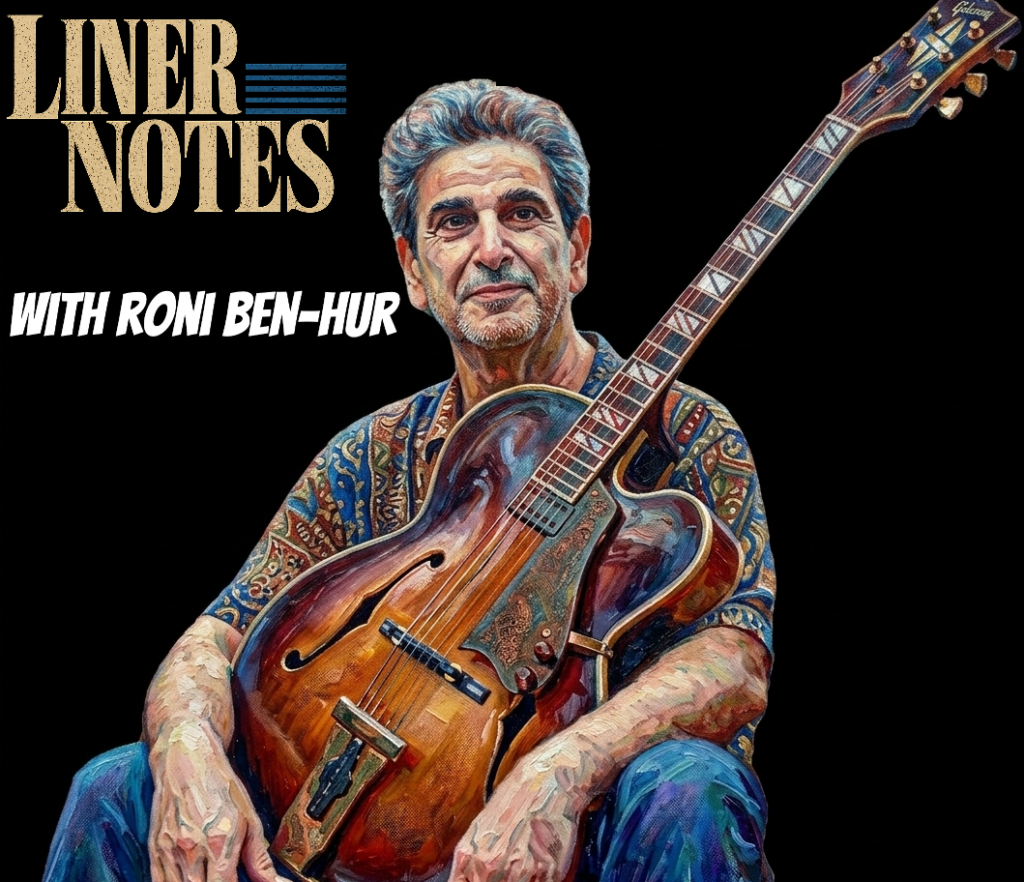
“Liner Notes” is a Sounds Visual Media spinoff series where musicians, composers, DJs, beatmakers, and collectors dig into their crates to share favorite records. In this installment, jazz guitarist Roni Ben-Hur talks about the “spontaneous magic” of the mid-century masters—from Thelonious Monk claiming Duke’s songbook as his own to Kenny Dorham carving a post-Bird path on Afro-Cuban.
Roni Ben-Hur: I love the album of Thelonious Monk playing Ellington—”Thelonious Monk Plays Duke Ellington,” (Riverside, 1955). It’s a beautiful trio record—swinging, elegant. What I really love is how Monk takes these well-known Duke Ellington tunes and completely makes them his own.
You listen, and it sounds like Monk wrote them. It’s such a great example of an artist honoring the music while fully expressing his own voice. I just love that album.
I also love Kenny Dorham’s “Afro-Cuban” (Blue Note, 1955). It’s such a great record—an eight- or nine-piece band, fantastic arrangements, and really strong tune selections. What’s so inspiring is hearing how far the music had come in such a short time. Charlie Parker had just left the scene, and everyone was still chasing Bird—but Kenny Dorham found a whole new sound.I’ve always admired Kenny Dorham. He’s not always the first name that comes up when people talk about trumpet players, but anyone who really knows knows—he’s up there with the best.
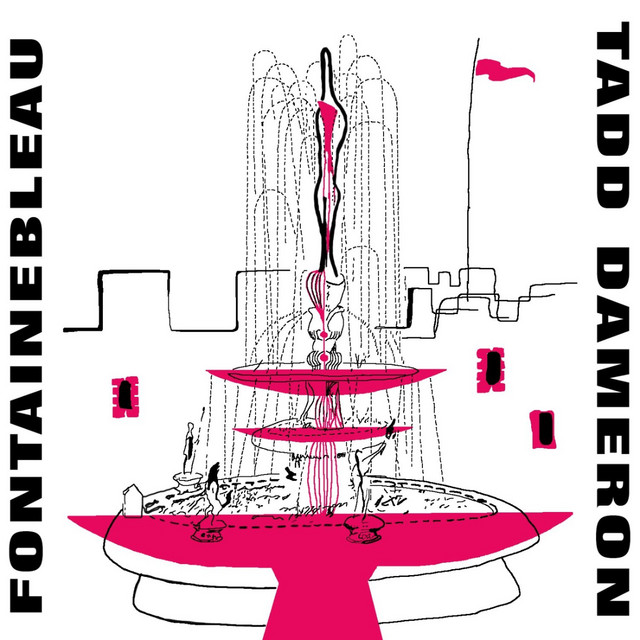
So there are definitely a few others from that era that really stand out to me—like Art Blakey in D.C., and of course, there has to be a Charlie Parker album in the mix, and a Bud Powell record too. Also, I love the Thad Jones big band and “Fontainebleau” by Tadd Dameron (Prestige,1956). I think that’s a nine-piece group—just beautiful arrangements.
Dizzy Gillespie’s “The Greatest Trumpet of Them All” (Verve, 1957) is another one, with Benny Golson and Gigi Gryce. I really love albums that take the standard jazz repertoire and do something new with it. That’s something I think jazz musicians were very aware of, especially back in the ’40s, ’50s, and ’60s.
There was this real sense that it was important to sound different. If John Coltrane was going to play a tune that Louis Armstrong or Hank Mobley or Charlie Parker had played, he had to make it his own. That mindset—putting real thought and intention into how to approach a tune—that’s what I love hearing on those records.
And, of course, the beauty of jazz is that sometimes the greatest albums do come from just going into the studio and playing. It’s both things—that mix of deep planning and spontaneous magic.
I also love Baden Powell. I especially love the “Os Afro-Sambas” (Forma, 1966) album he did—it’s just incredible. Really, I love many of his albums.
And I’m a huge fan of Jobim as well. That album he did with Elis Regina (“Elis and Tom,” Philips, 1974) is one of my all- time favorites—so much feeling, such amazing chemistry between them. Honestly, there are so many Jobim records I love. His music just has this timeless quality to it.
Leave a Reply
You must be logged in to post a comment.