
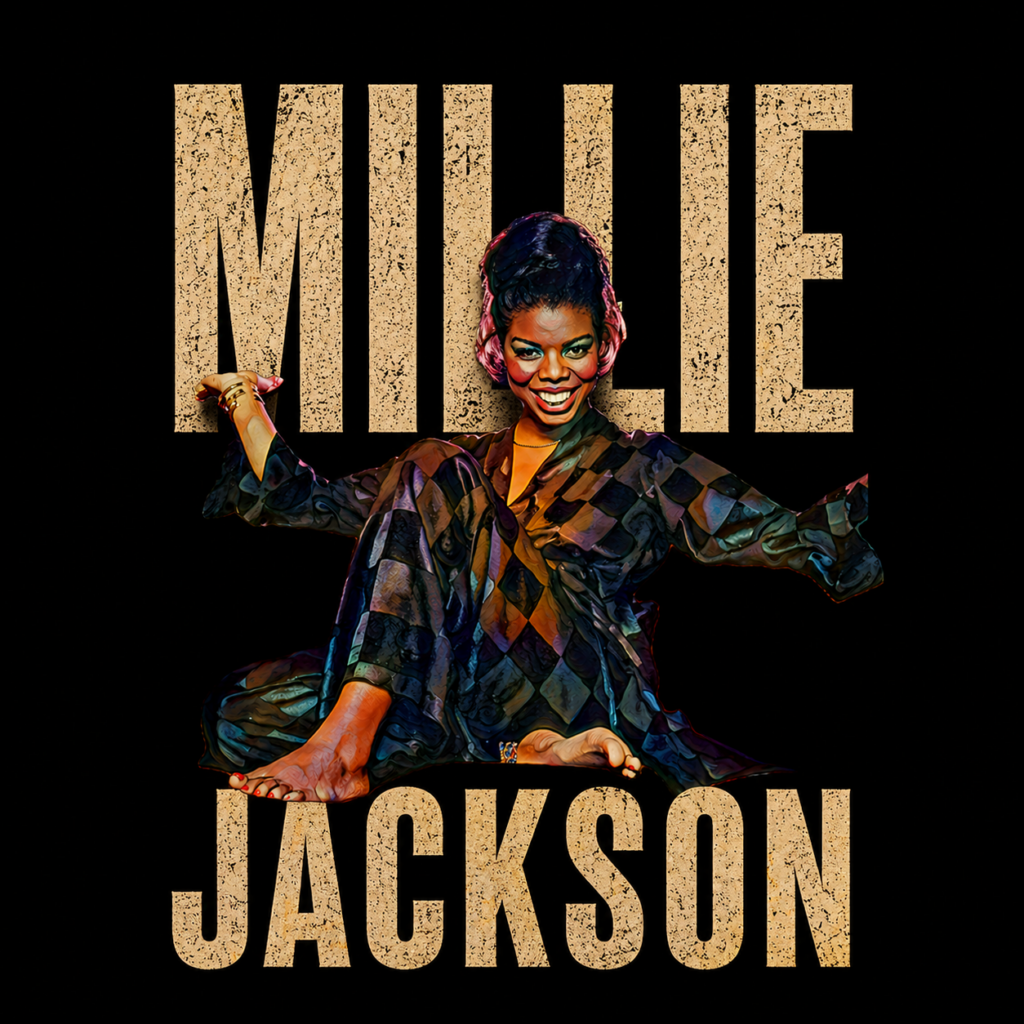
A fearless pioneer of R&B and a precursor to the raw honesty of hip-hop, Millie Jackson candidly discusses her accidental rise to stardom, the power of self-management, and her unapologetic commitment to “real talk” and dual perspectives in music.
___
Millie Jackson hailed from a Methodist preacher’s family in Thompson, Georgia. She launched her career at the Palm Café in Harlem in 1964 after accepting a friend’s dare to enter a talent contest.
Millie Jackson: Practically everything that happened to me was an accident. I was in the right place at the right time.
Sounds Visual: What was the Palm Café in Harlem like?
Millie: It was where I used to hang out after work once a week. I’d hang out, see people, and everyone would sing—and that was it.
SV: Millie, was there any pressure to conform to a different sound earlier in your career? How did you carve out your own identity within R&B?
Millie: Well, actually, Gladys Knight was my idol. I just loved her voice, and the fact that I was from Georgia and found out she was too gave us a lot in common. It wasn’t hard to find a good night of music. I just went along with whatever song I heard and liked. At that particular time, Gladys was it. There were other female vocals, but they didn’t touch me like that.
SV: Your spoken-word monologues and that fearless, brash energy you bring to the stage have become a signature part of your performances. What inspired you to start breaking up your records with these raw, “real talk” moments? Did you ever worry about how the industry would react?
MJ: It probably happened because no one else was doing it. I wanted to let them know we were doing a new album. I’d say, “Would you like to know why we’re doing a new album? Because y’all didn’t buy the last one! If you had bought that one, I wouldn’t have to be doing this one.”
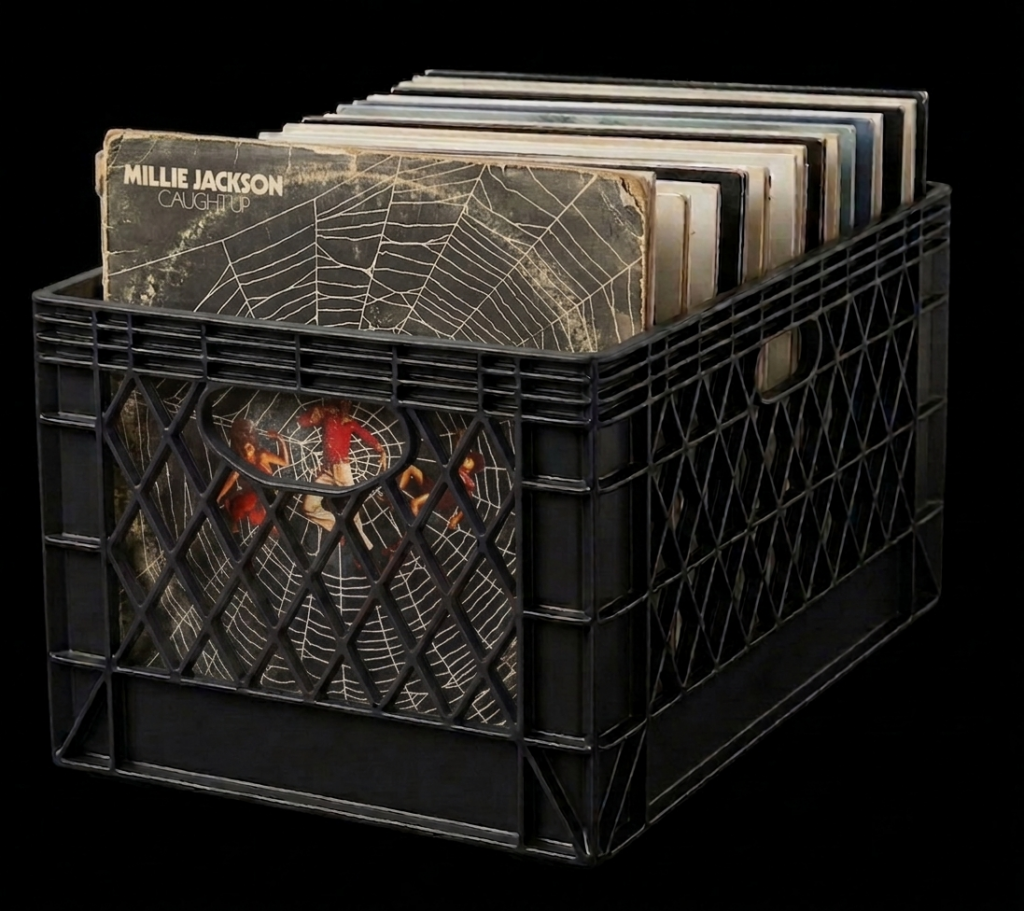
Jackson’s 1974 album, Caught Up, was a groundbreaking concept record. It follows the story of an affair with a married man: Side A is from the mistress’s point of view, and Side B is told from the wife’s perspective.
SV: Millie, what was your inspiration for telling both sides?
MJ: Because I thought it should be equal. People should have a choice in their thinking. I’ve always thought there’s no such thing as only one way for something to go. There’s always another side to it, so I decided to show it.
SV: Infidelity is a recurring theme in your work. Why do you think this resonates so strongly with your audience?
MJ: Because it’s true. How many people do you know who are only in love with one person for their entire history? Everyone—even if they didn’t cheat—has had someone else at one time or another that they compared their partner to. What made me different was that I had the nerve to say it, and to say it the way I wanted it to be heard.
I was just always real. The way I saw it is the way I said it. Most people had a manager who created a “vision” of how they wanted the artist to act. With me, I was always my own manager. There was no one to tell me how or why to do it. So, I just did it.

SV: You once said you were never interested in being a “crossover” artist. What did you mean by that?
MJ: Managers usually want that “pop” sound to get more record sales so they can get rich. In my case, I was doing what I enjoyed. If you liked it, fine. If you didn’t, I didn’t care. What comes up, comes out. I don’t care where the industry puts me; I’m just doing something I enjoy.
SV: How did the decision to self-manage impact your career?
MJ: Negatively, it impacted me because pop music is where the money is. But I didn’t have a manager to worry about because the manager was me. I had the right to do whatever I wanted. If you wanted to join in, stay and join us. I don’t care if you hate it. I’m just trying to say what I’ve got to say in a language you understand.
Jackson’s music was later sampled by dozens of artists, including J. Cole, Ghostface Killah, Meek Mill, Black Sheep, and the Geto Boys.
SV: Did you ever anticipate the influence you’d have on successive generations, specifically female hip-hop artists?
Millie: Not really. People tell me that, but it wasn’t about me trying to influence anybody. It was about doing what I wanted to do, the way I wanted to do it. I ended up being the first to do it because the men were doing it—and I felt women had the right to do it, too.
Above: Jackson’s 1976 song “I’m Free,” later sampled by Pharoahe Monch in 2007’s “Free.”
SV: Are there any songs you wish people had listened to more?
MJ: I don’t really think about it. “The Symphony” was probably the biggest song I ever had, but I made no money off of it. Other people redid it. I was a writer, but the way the royalties were split between the lyrics and the music—that’s just the way it was.
SV: Thanks for your time, Millie!
MJ: No problem.
Leave a Reply
You must be logged in to post a comment.