
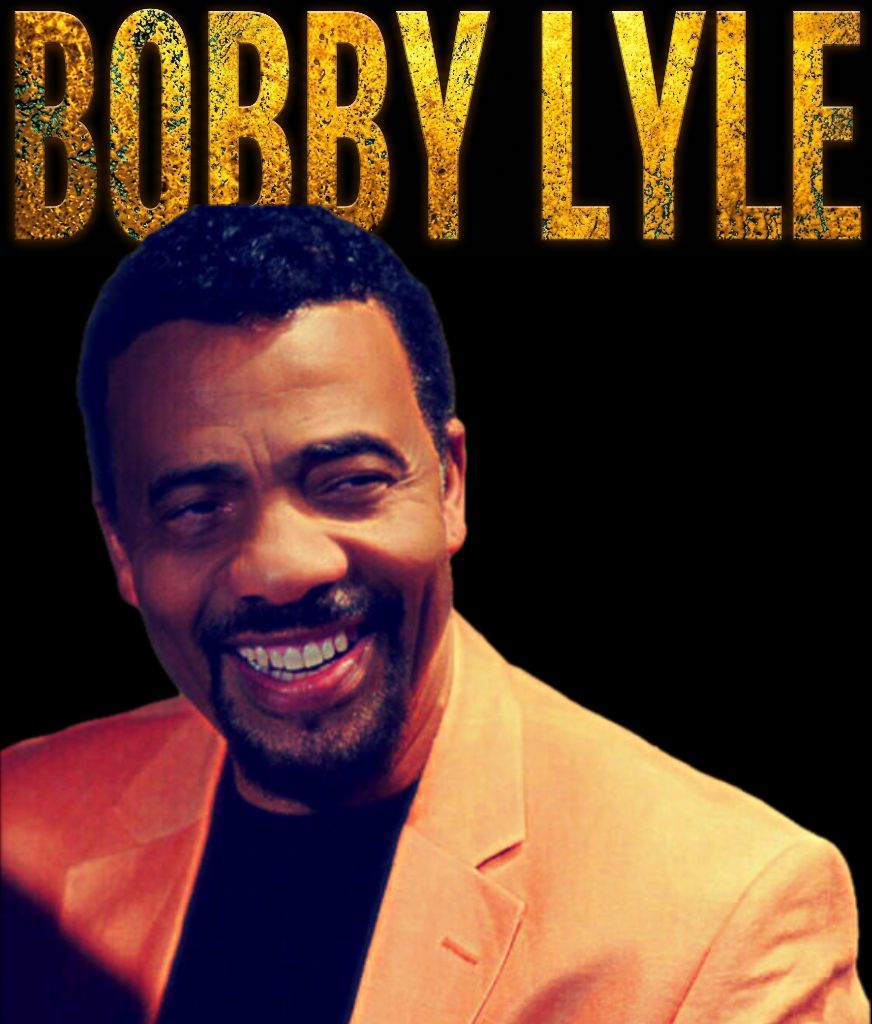
Bobby Lyle traces his journey through jazz and funk—from early Minneapolis jam sessions and touring with Sly and the Family Stone to pioneering West Coast fusion—anchored by his 1977 cult classic “The Genie“–and a commitment to creative control across generations.
___
Bobby Lyle is an acclaimed jazz pianist, organist, and composer whose career spans performance work with iconic acts like Sly and the Family Stone, George Benson, and Ronnie Laws. He is widely recognized for his pioneering role in bridging straight-ahead jazz with R&B, soul, and contemporary smooth jazz, using his signature rhythmic versatility to make fusion accessible to broader audiences worldwide.
Born in Memphis, Tennessee, on March 11, 1944, to Robert and Elise Lyle, Lyle was raised in Minneapolis following his family’s relocation when he was a toddler. Raised in a home filled with music, he began formal piano instruction at age six under the guidance of his mother, a church organist. During his junior high years, he expanded his musical skills to include the clarinet and flute in the school band while continuing his piano studies and learning to play jazz by ear.
___
Sounds Visual: Bobby, you spent your formative years studying classical repertoire before teaching yourself to play bebop. If you were to take a classic piece by Chopin or Debussy today and reharmonize it through the lens of a Hammond B3 drawbar approach, what piece would you choose, and how would you map the organ’s harmonics onto it?
Bobby Lyle: I’ve actually thought about doing that on either my solo piano project or a trio project — I have so many different projects to get to, to demonstrate my versatility. I listen to Debussy all the time, and I’ve thought about doing something with one of his pieces, because to me he was kind of a forerunner of a lot of the contemporary modal and time-feel movements that jazz musicians have adopted over the years. Every once in a while you run across someone who’s such a visionary that generations end up influenced by them, borrowing from them. You have to remember, back in their day they had no recording devices, so it was imperative for them to notate and write everything down in order to preserve it.
SV: You won the U.S. finals of the Yamaha Electone contest as a young player and represented the country in Tokyo. What was it like being judged by Jimmy Smith before you knew him personally, and did he say anything to you at that contest?
BL: I did speak with Jimmy — we’d already become friendly, mutual admiration society, that sort of thing. But that actually happened at the national level, before Tokyo, and I thought the nationals were a stiffer test than the internationals, honestly — when you look out and see a Jimmy Smith, a Steve Allen, a Sarah Vaughan sitting there, that’s intimidating. I had to force myself to stay focused and just get through the piece I was playing, which was actually original music. It was gratifying to see that they got behind my performance.
SV: A lot of jazz pianists struggle with the switch to electric instruments because of the lack of acoustic dynamic resistance. What was the hardest physical adjustment you had to make when you started picking up synths and Rhodes pianos in the late 1960s?
BL: I never really looked at it as difficult, because I’d already embraced the idea that the touch is entirely different from one instrument to another. It wasn’t a hard switch for me, because I’d already gone through that transition once, from piano to Hammond organ, which is its own different kind of touch. I just made up my mind early on — if it had keys on it, I was going to try to do something with it.
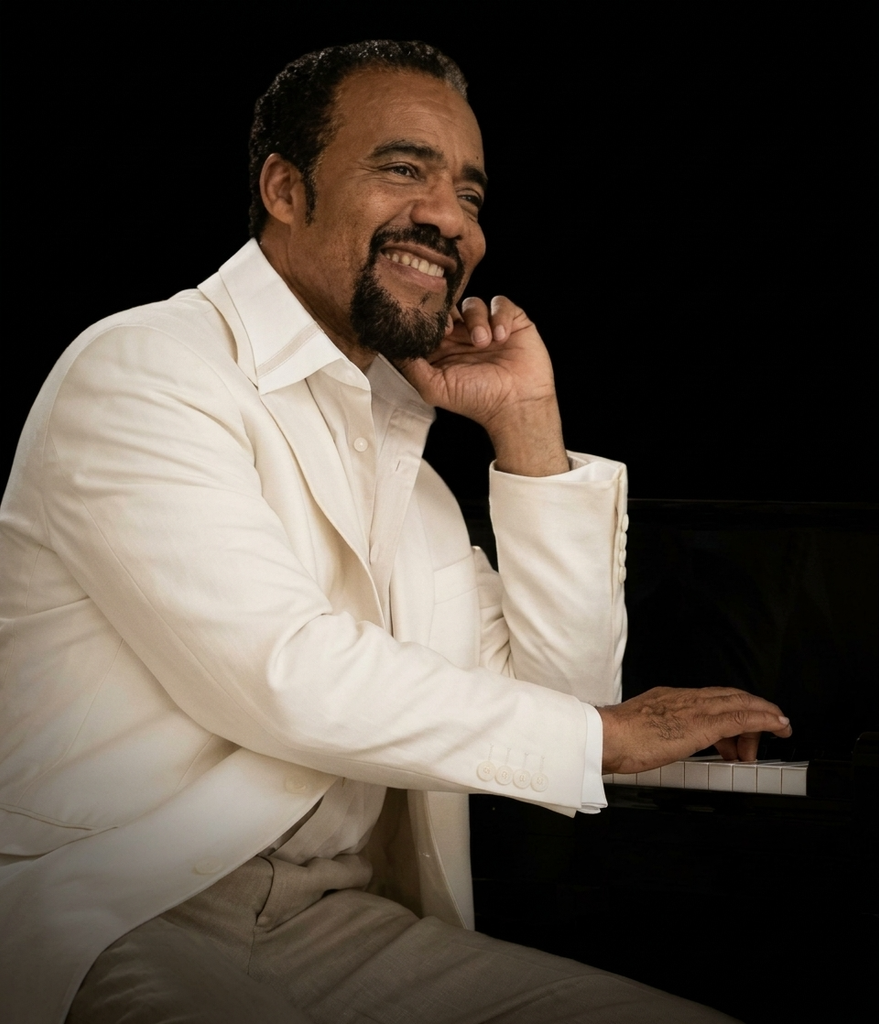
SV: Let me ask a related question — the physical resistance of something like a Steinway demands a completely different hand weight and attack than the springy keybed of a B3. When you switch between the two in a single set, do you mentally and physically recalibrate your finger technique without losing the groove?
BL: Yeah, that happens, but once you play a couple bars you realize it’s a different animal. Toward the end of my time in Minneapolis, before I moved to L.A. for better career opportunities, I was playing a lot of Hammond B3, but I noticed the effect it was having on my acoustic piano chops — it was hurting them. So I actually quit playing the B3 for a while and got back in the woodshed on acoustic piano. By the time I got to L.A. and started recording under my own name, it was all piano projects — I didn’t do an organ project until I got my own label, which was around 2013 or ’14. I dedicated that one to my mentor, Jimmy Smith, called it “The Way I Feel” — just organ, guitar, and drums, turned out really nice.
SV: When you’re playing bass lines on the B3 foot pedals while improvising complex lines with your right hand, how do you handle tempo shifts — does your brain anchor to the left foot or the right hand, or both?
BL: My bass approach on the Hammond has always been a combination of the foot and the left hand on the lower keyboard — sometimes the lower keyboard picks up a bass line, other times it plays chords while the foot handles the bass. It’s the same kind of limb independence drummers have to develop — all four appendages doing different things. You’re not just physically training the hands and muscles, you’re training your brain too.
I tell my piano students this all the time — you’re mentally training yourself to be adaptable and elastic, moving between complex rhythms and harmonies, and to retain that. You can learn a tune like “Stella by Starlight” and come back ten years later and still be familiar enough to improvise on it. That’s difficult for a lot of people, but I feel it’s one of the gifts I was given, and I’m thankful every day it’s worked for me all these decades.
SV: Jimmy Smith revolutionized the B3 by bringing bebop phrasing to the instrument, but you brought a distinct Minneapolis funk-fusion touch. Do you approach the drawbar settings differently playing a funk groove versus a traditional twelve-bar blues?
BL: It depends on the function. There’s what’s called shout chords, where you use a full set of drawbars to get almost a big-band sound, and then there’s a lighter set of drawbars for a more Erroll Garner-type approach — there’s a tune of mine where I use that setting, I’ll think of the title. When you’re doing bebop lines, you tend to go more toward the Jimmy Smith and Jack McDuff drawbar settings, almost a horn-like sound.
A lot of the lines I learned actually came from horn players, not piano players — embracing that whole spectrum of instrumentation gives you more colors to work with. Horn players, because they can’t play chords, spend their whole musical lives describing chords through the lines they play, and that makes them more creative and conscious about line construction. That’s why I loved learning from trumpet and sax players — that was their wheelhouse. Sonny Rollins, God rest his soul— he used to play with just saxophone, bass, and drums, because he’d so mastered the harmonic approach to the instrument that he didn’t need chordal support. His whole thing was, “I’m going to describe the chords for you through what I’m playing on this horn.”
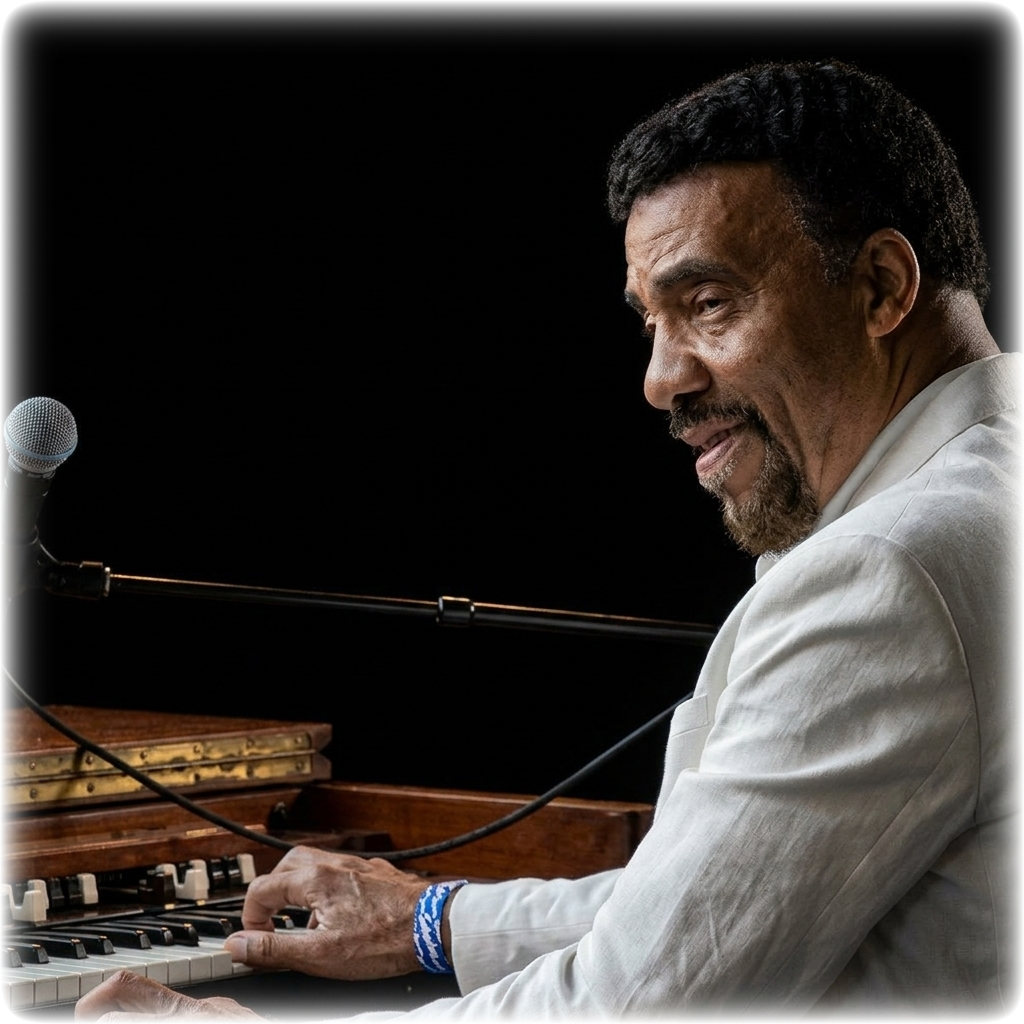
I don’t know if Coltrane ever fully tried that approach, though he certainly had the harmonic genius to do it. He had the benefit of playing with a drummer like Elvin Jones — most drummers work in four- or eight-bar phrases, but Elvin played sixteen- and thirty-two-bar phrases with semi-climaxes building toward a bigger one, and that style fit Coltrane’s own playing, since Coltrane dealt in long phrases too. The two of them created a sound and texture, building toward climaxes over a longer arc than most musicians attempted. I study drummers even though I’m a keyboard player.
While attending Minneapolis’s Central High School, the 16-year-old pianist landed his first professional gig when drummer Harry Dillon recruited him for a trio performing at a private club in St. Paul. Lyle later enrolled at Macalester College in St. Paul, where he spent two years studying piano under pianist and composer Professor Donald Betts (1929–2021) before dropping out to pursue a full-time music career.
Shortly thereafter, he joined former Ramsey Lewis sidemen Redd Holt and Eldee Young, touring nationally with their group, Young-Holt Unlimited. In 1970, at age 26, Lyle crossed paths and briefly jammed with Jimi Hendrix, who had envisioned forming a jazz-rock ensemble featuring Lyle alongside Minnesota musicians Willie Weeks and Bill Lordan prior to the guitarist’s untimely death that same year.
SV: You were coming up alongside artists who later formed the foundation of the Minneapolis Sound. How much of that regional Midwestern funk culture was already brewing in the local clubs before guys like Prince and Morris Day brought it worldwide?
BL: My generation was much older than theirs, so we influenced them. There was a club in North Minneapolis called the Blue Note — they were too young to get in, just young teenagers at the time. The back door would be open in the summer for ventilation, right onto the bandstand, and a lot of times they’d stand outside on the sidewalk listening to us play. I actually met some of them — Prince and Morris were maybe fifteen or sixteen, already had a young band together. A friend of mine was dating Morris’s mom and kept begging me to come hear their band rehearse. I was getting ready to move to L.A. and didn’t really have time, but he was so insistent I finally went just to quiet him down.
We went to a house on the North Side, down in the basement, and there they were — Prince, Morris, all of them doing their thing as teenagers. I listened for about 45 minutes to an hour, and right before I left I told them, “The thing I like most about you kids is you’re playing all new original music, not trying to be a cover band — I love that, and I see nothing but success in your futures.” I didn’t have to be Nostradamus to see it — three years later Prince signed with Warner Brothers and the hits started rolling.
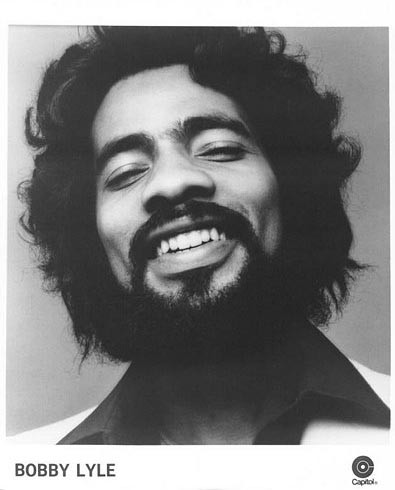
SV: Did you ever cross paths with Prince again after he became famous, or did the music take you in separate directions?
BL: It took us in separate directions — my kids actually had more interaction with him than I did after he got famous. He knew my kids because they had a band called Domino Theory that got on Soul Train. He came by their studio once and listened, and they were floored, huge fans of his. The closest I got to Prince after his fame was when I was conducting for Bette Midler in the early ’90s — we did a month-long sold-out residency at Radio City Music Hall, one of the most amazing things I ever saw an artist do, and I was proud to be part of that band.
Apparently Prince would come watch the show and sit at the house sound guy’s desk. I know because David, the sound guy, would come up to the green room afterward and say, “Your Minnesota buddy was here again.” I asked, “You mean Prince?” He said yes, but that Prince always left ten minutes before the end of the show, so he wouldn’t be noticed or approached. I told David, “Next time he comes, tell him to get his behind backstage so I can at least say hi.” He never did, but he was watching from a distance, and I know he was a fan of mine — like I said, he was one of the kids who used to stand outside the Blue Note listening to me play the B3. I think he was curious how my jazz skills could be adapted to a major pop artist’s show, fascinated by that transition. He came to three or four of those shows during that month but never came backstage.
I’m happy for all those kids because they became successful, they had the spirit and gumption to stick to it and see it through. It got so intense with Prince about protecting his intellectual property that he went to war with Warner Brothers, changed his name, all of that, because he was so upset about them owning his compositions — and he prevailed.
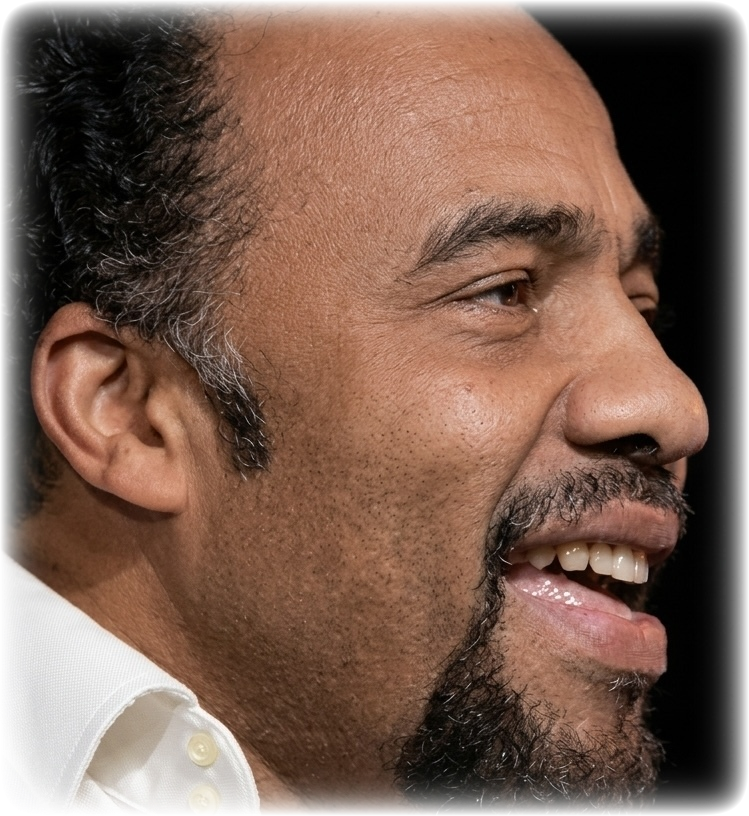
SV: Let’s move on to Young-Holt — one of my favorite jazz groups, I was fortunate enough to talk with Redd Holt before he passed, an amazing honor. You played with Young-Holt, known for crossing jazz over into pop-hit territory with soulful style. What did that experience teach you about the boundary between pure jazz and commercial appeal, before you launched your own solo career?
BL: That was actually made clear to me by the group Young-Holt had left, the Ramsey Lewis Trio, so I was already keyed into that concept. I don’t know to this day how they got my number, but they’d had a couple of piano players out of Chicago before me — a guy named Ken Chaney was one. Apparently those guys left to do their own thing, and Young-Holt needed a piano player and called me.
I was maybe a few years out of high school, still pretty young, and I’d never been out on the national jazz circuit before — I was pretty much a Minneapolis musician, rotating through the same clubs year in and year out. So when they called, I jumped at the chance to finally get out and see what the national club circuit looked like. The only thing I didn’t like was that they carried around some kind of electronic keyboard, so I never got to play a real piano with them — but since a lot of the material leaned commercial, it wasn’t as crucial as it would’ve been playing more pure jazz.
Above: “Oh Girl” – Young-Holt Unlimited | Oh Girl (Atlantic, 1973); Bobby Lyle, electric piano.
SV: What was the story about you playing with Jimi Hendrix?
BL: I had a friend who was friends with Jimi. They’d get together and talk about musicians and bands. Jimi had gotten to a point where he was bored being just a rock-and-roll guitar star — he appreciated jazz. My friend started telling him about musicians back in Minneapolis who’d be perfect if he wanted to add more jazz elements to his rock music — myself, bassist Willie Weeks, and drummer Bill Lordan, who’d played with some rock groups before.
Bottom line, I think my friend made some kind of bet with Jimi — he’d fly us out to New York just to hang out and jam, and if we weren’t everything he’d said we were, he wouldn’t have to pay for our plane tickets, but if we were, he would. Based on that bet, we got flown to New York, hung out with Jimi in the studio, played some rock-blues with him, and he was pretty impressed. We said, “When do we start rehearsing for your new band?” He said, “Pump the brakes, I’ve got to make a trip to Europe first and talk business with my manager.” So we said okay, we’ll wait till you’re back.
Right before he left for Europe, we’d been in his studio all night, came out into a beautiful New York morning, and I said something to him and he didn’t respond. When I looked at his face — even with sunglasses on — I saw something I didn’t like, something foreboding, like something was going to happen. I pushed it out of my mind. Then some weeks later, the story came out of Hendrix down in Europe — they blamed it on an overdose, said he drowned in his own vomit, that his girlfriend took too long to call for help, all these stories came out.
Me and the other guys just looked at each other, thinking about how that would’ve changed our lives, what kind of music that would have been with Jimi’s genius adding jazzier elements. That’s the one that got away, to time and circumstance. God’s timelines and plans have nothing to do with ours — when things happen, you just have to deal with it. Losing Jimi before thirty was just an unspeakable tragedy.
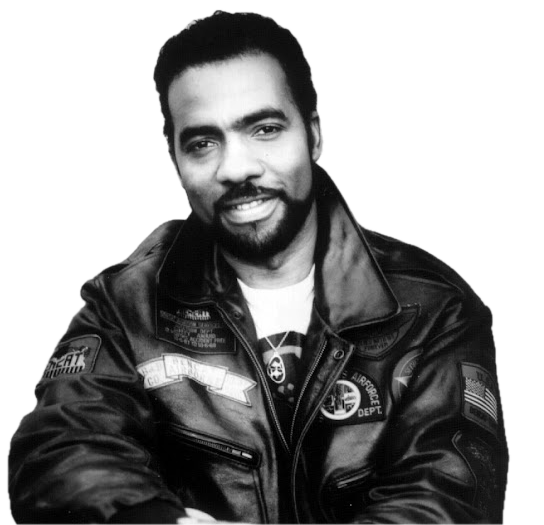
SV: Tell me about meeting Sly Stone at the audition and touring with them for a year after you moved to L.A.
BL: It’s all interconnected — the drummer who’d been in New York with Jimi Hendrix, myself, and Willie Weeks, Bill Lordan, eventually got a job drumming with Sly and the Family Stone. The whole time he was there, he was bragging to Sly about this great keyboardist he knew back in Minneapolis, Bobby Lyle, and Sly was skeptical, said he knew all the really bad cats already.
Once I made the move to L.A. and called Bill to tell him I was there, he said, “I’ve got to tell Sly you’re here, let’s set up an audition.” We went down to a studio with a Hammond organ in it, and I played maybe three minutes before Sly stopped me and asked if I could go on the road. I said of course — you have to remember, when I moved from Minneapolis, I drove my family out to L.A. in our old Lincoln Continental with our clothes and some pots and pans, no work lined up at all. Talk about a brother stepping out on faith — that’s exactly what I did.
I loved my playing because I hadn’t laid any jazz on him, but I sure laid some gospel-tinged funk on him, and he loved that. I went home and told my wife, “We’re not going to be homeless in L.A.” I had enough money to survive maybe a month or two. She asked why I was so sure, and I said, “I just got a gig.” She asked with who, I said Sly and the Family Stone, and she was shocked.
About a week and a half later we went on tour for a whole year. Sly had a reputation for missing gigs or showing up late, but he made every single show on time except the very last one, which was with Larry Graham’s new band, Graham Central Station — they ended up on the same bill together, and Sly faked some kind of sore throat and couldn’t play the RFK Stadium show. We all changed our tickets and flew back to L.A., and the tour was over. To this day I think Sly just didn’t want to give Larry Graham the chance to upstage him, since Graham Central Station was hot at the time. But he made every other show, and I stored that away as a formative early experience.
Above: “Keep On Keepin’ On” – Wayne Henderson | Big Daddy’s Place (ABC, 1977); Bobby Lyle, keyboards.
In 1973, Lyle secured his debut recording opportunity by taking first place in an international organ competition hosted by the Yamaha Music Corporation. His inaugural album, “Bobby Lyle Plays the Electone GX707,” launched that same year, marking the first entry in what would become an extensive discography. The Electone GX707 served as the precursor to Yamaha’s more compact DX7, an instrument that ultimately revolutionized the market for portable keyboard synthesizers.
After touring with Sly Stone, Lyle’s trajectory shifted after connecting with Wayne Henderson, a trombonist and co-founder of the Jazz Crusaders. At the time, Henderson was producing Ronnie Laws and arranged a studio session for the two musicians, which eventually led to Lyle touring alongside Laws.
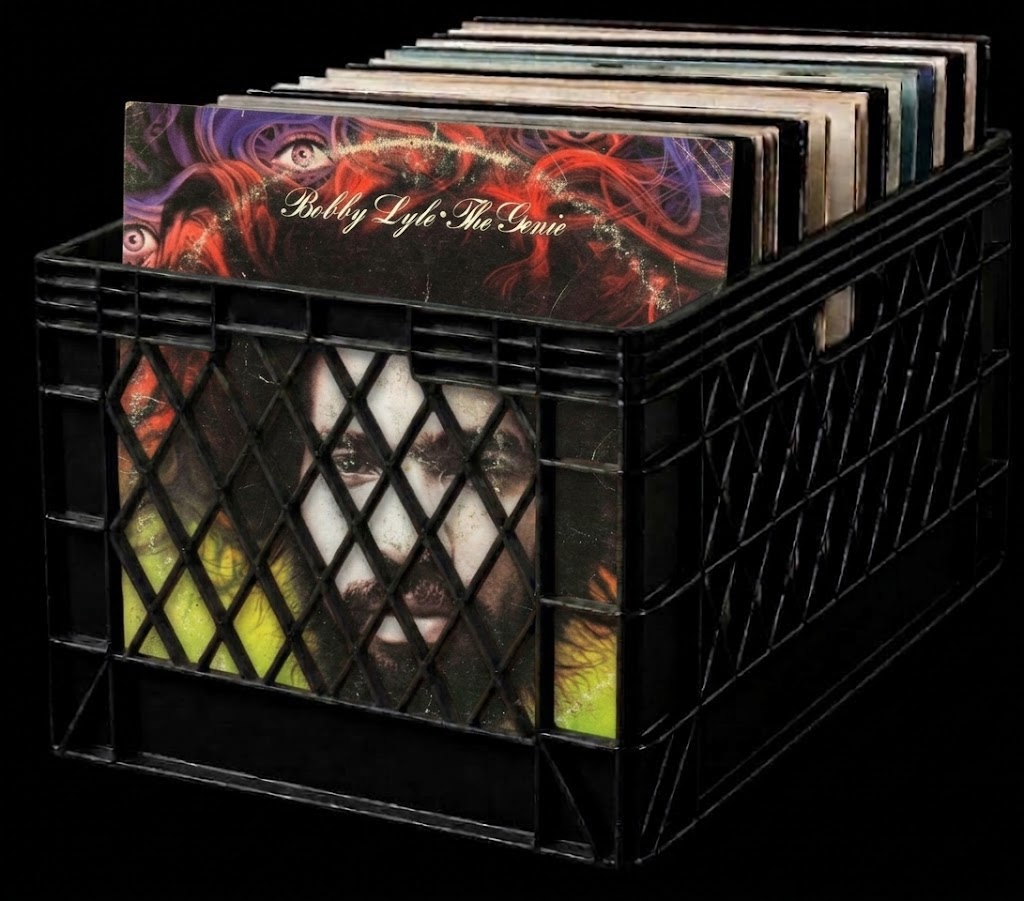
Henderson also shared Lyle’s demo tape with Larkin Arnold, Capitol Records’ Vice President of A&R. Impressed by the material, Arnold signed Lyle to a recording contract, launching a three-album run that kicked off with his acclaimed 1977 release, “The Genie,” which bcame a cherished staple for crate-digging jazz-fusion fans.
“The Genie” remains a cornerstone of jazz-funk, launching the keyboardist’s major-label career with Wayne Henderson’s soulful production and a seamless blend of soaring Rhodes grooves, inventive fusion, and deep rhythmic atmosphere that still resonates with listeners who dig the era’s finest instrumental soul. Its inventive title track and standout cuts like “Night Breeze” and “Mother Nile” capture a perfect balance of improvisational freedom and dancefloor energy.
SV: Let’s talk about the L.A. fusion era. When Wayne Shorter and Joe Zawinul were pioneering fusion with Weather Report, you were charting a similar crossover course on the West Coast with “The Genie.” What was in the air in L.A. in the late ’70s that pushed so many straight-ahead jazz musicians to embrace electrified funk?
BL: There was just an open vibe about being creative, not waiting for permission to stretch boundaries and get outside what was considered standard. By incorporating other rhythms, world beats, and funk beats, people started calling it fusion — I never liked labels, I just create music. But in doing what we were doing, we offered new branches on the jazz tree, and those new branches attracted a younger audience, which assured the music’s future.
I was proud to be part of that movement — it tested our creative and physical boundaries with our instruments, because really, all the major changes in jazz through the decades mostly dealt with the rhythm section — the role of the drummer and bass player shifted the most through each generation, while what happened on top with the lead instruments and improvisation didn’t change quite as much. When Miles went into his fusion phase, he was still playing bebop trumpet over the top of those one- and two-chord vamps he was creating.
Weather Report, the Mahavishnu Orchestra, Chick Corea’s groups — they were bridging two eras of music, one foot in each, part of the creative process moving forward. Younger musicians looked up to us as creators of fusion to do their own thing with it — every generation has to put their own twist on wherever the music has evolved, to claim some stake in it and advance it. If music just remained a museum piece — like anything past Charlie Parker in the ’40s and ’50s isn’t “legitimate,” isn’t “really” jazz — that’s bullshit to me, because as long as there’s improvisation and creativity over the top, it’s still jazz. It doesn’t stop being jazz because you change the role of the bass and drums. Elvin Jones and Tony Williams became the epitome of swing in totally different styles, both equally compelling.
SV: When you’re writing an uptempo funk track like “The Genie” versus a slower ballad, do you start from a rhythmic groove on the organ, or a harmonic chord movement at the grand piano? Walk me through your creative process a bit.
BL: “The Genie” was completely unique in my compositional approach, because I was always kind of a wannabe drummer — I look at piano as a percussion instrument, so in a way I’m halfway into drummers myself. I had this beat in my head that turned out to be the Genie beat, and I had a drum set at my house at the time, so I sat down and played the beat, recorded it, and played it back constantly — doing housework, washing dishes, whatever, I was listening to that beat.
As I kept listening, lines and melodies started coming to me, so I’d go to the piano and try different chords in a linear fashion against the recorded beat. I worked and worked it, and it took a while, but I finally got the whole thing together. That’s honestly the only composition that started with me on the drums — and then I had to teach the drummers in my bands how to actually play it.
SV: You’ve also described observing life’s natural rhythms — children playing, airports, nature — as direct inspiration for pieces. Can you walk through a moment when an observation crystallized into a specific melodic or harmonic idea, and how you captured it before it faded?
BL: I’d say it’s more the moods of different situations than actual melodies, though actual melodies have probably happened a couple times too. It’s more about moods I can embrace mentally and then go home to the keyboard and experiment. The different modes of being a human being — children playing, lovers kissing, the speed of a high-speed train with all that fierce motion, or the solitude of watching the sun set — these are all different moods, and music creation for me comes out of moods. Falling in love the first time, losing a family member — they say you can’t really be an artist unless you’ve experienced tragedy. I’ve lost a child, and both my parents, who lived into their eighties. You’re not supposed to lose a child, since they’re younger and supposed to bury you instead. But losing my spouse — my first wife, the one who drove out to California with me to start my career — that was the toughest.
A friend of mine had a timeshare in Hawaii. I had to first call Atlantic and tell them about a project I was supposed to deliver — I told them I couldn’t do it and why, and they were very understanding. I went to Hawaii, stayed at my friend’s timeshare, and sat down at the piano, and no music came out. I’d brought a little keyboard with me, and I just did prayer and meditation for about a week and a half, and when I came back, the music had returned. I ended up dedicating an entire album to that period of my life, pouring all those emotions into it. I think that became my only Billboard #1 jazz album, called The Journey — I guess those emotions hit a nerve with people.
SV: You’ve described “The Genie” era as wide-open — flush budgets, orchestral. If you were handed that same budget today, would you actually go back to writing for strings and horns, or has your creative direction shifted enough that you’d want something different?
BL: I would definitely write for them, but within the context of wherever my musical mind happens to be at that particular time — each project is sort of a snapshot of your mental and life situation at that moment. You’re sharing that with your public. Most people just keep those things to themselves or share them with a small circle, but as artists we’re sharing insights of our lives with a large group of people who become our fans. That makes you conscious of being precise in the studio, keeps the bar raised, keeps you feeling challenged and creative. I was up at seven this morning working on an idea — sleep isn’t a huge priority for me, if I get three or four hours I’m good to go until I start winding down, then maybe take a power nap in the evening and get creative again. But talking about “The Genie” reminds me maybe I should go back to the drum kit and set up the format for some future stuff.
Lyle’s transition from solo recording artist to high-profile musical director demonstrated his exceptional versatility, leading backing bands for major crossover stars like George Benson, Phyllis Hyman, Al Jarreau, and Bette Midler. His critical and commercial peak followed his signing with Atlantic Records in 1987, highlighted by his 1990 album “The Journey” reaching #1 on the Billboard Jazz Chart and establishing him as a defining force in contemporary jazz.
SV: You’ve worked with legendary producers and record executives at Capitol and Atlantic. The music business has changed so much — what was the single worst piece of executive advice you were ever given about your music, and did you follow it?
BL: There were people who wanted me to stay in a commercial vein, and I’d say, no, I’m broader than that. For example, after my first Atlantic record, Ivory Dreams, Sylvia Rhone wanted me to do another record in that same vein afterward, and I said no, I want to do a solo piano record. We went back and forth, I ended up doing the solo piano record — thank God she let me — and then I went back to my regular thing after that.
I won’t call it bad advice exactly, since a record company is in business to make money, but with artistry there has to be an understanding — some people love being pigeonholed into one style, but that was never me, since I grew up in a household with music ranging from gospel to classical to jazz to big band, heard everything as a kid, plus classical lessons, I was influenced by everything. Why would I want to box myself in? Record companies always want you to gravitate toward what they think will sell, but The Genie was completely different from anything before or since — if I hadn’t followed that urge, I wouldn’t have been true to myself. I have to be honest with myself.
SV: You’ve watched jazz’s relationship with radio erode, and adapt by going independent, using online distributors like DistroKid. What do you make of streaming and playlists as the new version of “being at the right club at the right time” for young musicians trying to get heard?
BL: The internet has become their source — you can definitely reach far more people online than you could just depending on clubs, and this younger generation has embraced that. The bad news is the streaming services don’t pay anything — fractions of pennies in some cases. You’ve seen a rebellion from major rock groups against these platforms trying to get better revenue sharing. But as far as developing as a musician, that’s the part young people are missing.
When I was coming up, you could go out and jam with older musicians in clubs, and they’d correct you and sometimes tell you to go home and practice those changes. These kids don’t get that anymore, because they can go into a studio and use electronic tricks — but electronic tricks are not a substitute for mastering an instrument. My whole thing is trying to get young people to stick with an instrument long enough to master it, and even play a few instruments. That’s what Prince did — bass, drums, guitar, a bunch of stuff — and Stevie Wonder too. You can only enhance yourself as an artist by approaching it that way. So there’s good and bad in this contemporary internet-driven thing.
SV: You’ve also described even the so-called music schools like Berklee spending too much time having kids transcribe famous artists’ solos…
BL: Right — give them the tools to create their own lines, rather than having them transcribe what some artist was feeling in a particular moment with a particular rhythm section. You can learn from that, but what does it say about your own approach, unless you use it to influence your own voice?
SV: You’re one of the very few living musicians who can speak firsthand to Sly and the Family Stone-era funk, Jimmy Smith-era soul jazz, and the current streaming landscape. If you were building a syllabus for a young player who only knows jazz from recordings, what’s the one non-obvious experience — not a record, an actual experience — you’d insist they have?
BL: Interact with other musicians, because jazz, if nothing else, is conversational. If you don’t get that spontaneous musical conversation, you’re missing a big chunk of your development. I had the advantage of all those years — I wish I’d been old enough to play during the actual birth of bebop, but I could get some of that from records.
Growing up in Minneapolis, my whole thing was getting out with older guys and jamming in clubs, because you can play ten hours a day alone on your instrument at home, but then what are you going to do with it? How are you going to adapt to the democracy of a jazz band, where you state your piece, and then it’s someone else’s turn, solos passed around — that goes all the way from big band down to solo piano, because even when I’m playing solo piano, my left and right hand are having the same kind of conversation I’d have with a group. You need that — it’s a big part of your development.
Bobby Lyle established independence by launching his own label, New Warrior Music, releasing “The Way I Feel” (a tribute to Hammond B-3 icon Jimmy Smith) and returning to his signature contemporary sound with the 2021 album “Ivory Flow” featuring the radio single “Living in the Flow”. Beyond recording and touring, he actively shapes the future of jazz through master classes, private instruction, and community initiatives like the Bobby Lyle Music Scholarship Fund at Walker Elementary School.
SV: Some of your music has been sampled. How do you feel about sampling as a concept?
BL: If someone samples you, there’s nothing wrong with it if they come forward and want to pay you for it. If they just do it and try to sneak it by, that’s terrible. I was talking with Bob James about that, and I think he mentioned his theme from Taxi being sampled by Cee-Lo Green, and Cee-Lo was a total gentleman about it, called him up, they negotiated a fee. But for every time that happens, there are several times it doesn’t — and apparently there’s a statute of limitations on how long you can go after somebody once you find out.
Kendrick Lamar sampled something of mine early on, and I was never able to get anything out of that, because at the time he wasn’t the big Kendrick Lamar everyone came to know — he was using it for some kind of online thing, I don’t even know if it was a commercial track. Somebody in Minneapolis made me aware of it, and it wasn’t any of the melodies of the song, it was kind of an intro I was doing with multiple synthesizer sounds — I guess he liked how the sounds harmonized with each other, and just took that little piece and built other stuff around it. You can’t really sue anybody unless they use your actual melody or beat, I don’t fully know how that works — but that was so early in his career, maybe I should write him now and say, grab some of my stuff again, since he’s world-renowned now.
Above: Bobby Lyle’s track “Believe” (1978), sampled by Kendrick Lamar feat. Alori Joh on “Heaven & Hell” (2010)
SV: You’ve mentioned being surprised, sometimes almost having forgotten, when fans resurface old deep cuts that turn out to have been sampled. When a listener or producer points you back to something you’d set aside, does it change how you think about the piece, or does it stay a closed chapter, or does it recontextualize it for you?
BL: Only from the standpoint that when you write something you’re finally pleased with and put out to the public, and it interests people not even in your generation who can see the depth and viability of what you’re doing, in terms of attaching it to something they’re working on — that’s meaningful.
SV: What do you think it is specifically about those records of yours–The Genie, or New Warrior, perhaps–that keeps producers like Kendrick, DJ Premier, 50 Cent, and others coming back to them?
BL: I think a lot of young producers are looking for something different, something that makes their track stand apart from everyone else’s — so why not go back to an era with a lot more creativity and grab some of that, attach it to what you’re doing in a modern vein. A lot of my stuff was just different, and I think that’s enough to make it attractive to people trying to make their own projects stand out.
Above: Bobby Lyle’s “Stop Running Away from Love” (1979), sampled by 50 Cent on “Definition of Sexy” (2012)
SV: Tell me about the Bobby Lyle Music Scholarship Fund.
BL: That’s not currently active, but a few years ago I had a thing where I was contributing to schools that needed instruments, for kids who couldn’t afford them otherwise. I’m thinking about incorporating that again, maybe getting a team of artists together rather than doing it alone — I’ve mentioned it to a couple people who seem interested. Once we get that started up again, it’ll be a group of us pooling resources, maybe doing concerts where a percentage of proceeds goes into the fund. With schools cutting music from their programs, it’s just a disadvantage to the kids.
SV: Is there an album in your career that you feel was completely misunderstood by critics, or overlooked by audiences at the time, but that you think represents some of your best work?
BL: If I had to pick, it’d probably be the B3 album, because it didn’t get the wide distribution the others had — that was the first thing I did on my own label, so it was pretty limited in its reach. As far as critics thinking I’d gotten too commercial or whatever — I’m like Miles Davis, I don’t pay attention to what critics say, because you can get intoxicated by a great review and just as deflated by a bad one.
Bette Midler was the same way — during that Radio City residency I mentioned, the New York Times critic, who was usually tough on everybody, raved about her show. I remember bringing it to her dressing room, and she said, “No, I don’t want to read that, I don’t read that stuff.” I said, “But it’s so great, from a guy who’s usually so tough,” and she just said, “I don’t care, I don’t want to read it.” I think that’s the right attitude to have about critics — do they buy records and show tickets, or do they just get everything for free and talk about it? Miles was heavily criticized when he moved from bebop into more commercial territory, and we can only imagine the language he used responding to that. Critics get paid for being critics, and I get paid for creating music. If my fans don’t like something, that’s more impactful to me than if some critic doesn’t like it.
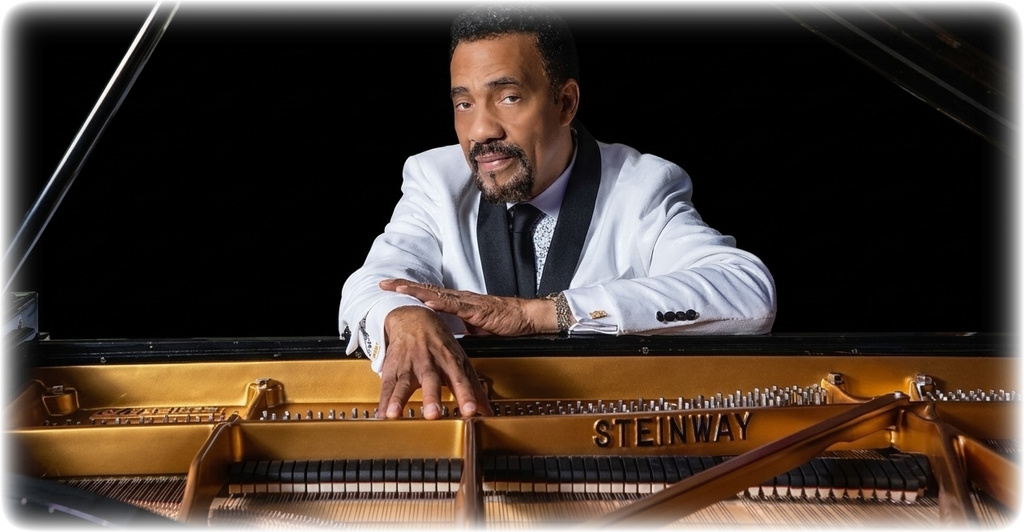
SV: You’ve talked about conversational playing — treating a solo as a dialogue with the band and audience. Is there a specific exercise or listening assignment you give students to develop that instinct, versus just technical drills?
BL: Again, I think it’s just interacting with other musicians, passing things back and forth. One of the standard forms in swing or straight-ahead jazz is stating the melody, everybody taking solos, then trading breaks with the drummer — four bars, then eight bars back and forth. If you practice that, you build muscle memory for it. I tell kids, get the muscle memory of interacting with other musicians — but how do you actually do that generously and diplomatically, rather than becoming a “solo hog” who takes all the space and leaves nothing for anyone else? I never liked that kind of situation myself.
SV: What’s the biggest stylistic bad habit you see young jazz keyboardists fall into today when they’re trying to play convincingly funky?
BL: When you think of funk, you think of James Brown, Sly Stone, that whole ilk. When people solo over a funky beat, I don’t think enough of them realize you can actually layer nice jazz riffs over that groove — people limit themselves too much. That limitation might come from not having enough tools in the toolshed. Every time you’re learning something, regardless of the instrument, you’re putting more into your hard drive to call on later.
Young people have the advantage of YouTube, being able to hear people all the way back through jazz history — I tell students, listen to the masters, not to become a copycat, but to hear the powerful discipline behind how they put their thing together and developed their own style. Art Tatum was considered the greatest of all time, but he was a huge fan of the stride pianists — he listened to James P. Johnson and Fats Waller, and he was a huge fan of Waller specifically, but he didn’t try to copy him — he ended up going stride in a completely different direction than Fats did, even though he was influenced by him. You can never be condemned for your influences, but you can be condemned for becoming a copycat.
SV: Thanks so much for your time, Bobby!
BL: Hey, it was fun — I get to talk about stuff I rarely discuss, and I always take that opportunity. Maybe a lightbulb will go off in somebody’s head who hears it.
As leader
Bobby Lyle Plays the Electone GX707 (CBS/Sony, 1973)
The Genie (Capitol, 1977)
New Warrior (Capitol, 1978)
Night Fire (Capitol, 1979)
Night Breeze (Evidence / Electric Bird, 1985/1987)
Ivory Dreams (Atlantic, 1989)
The Journey (Atlantic, 1990)
Pianomagic (Atlantic, 1991)
Secret Island (Atlantic, 1992)
Rhythm Stories (Atlantic, 1994)
The Power of Touch (Atlantic, 1997)
Joyful (Three Keys, 2002)
Straight and Smooth (Three Keys, 2004)
Hands On (Heads Up, 2006)
Ivory Flow / Living In The Flow (New Warrior Music, 2022)
As sideman
With Ronnie Laws
Fever (Blue Note, 1976)
Friends and Strangers (Blue Note, 1977)
Every Generation (Blue Note, 1980)
True Spirit (Par, 1990)
With Wayne Henderson / Jazz Crusaders
Big Daddy’s Place (ABC, 1977)
Living on a Dream (Polydor, 1978)
Step In to Our Life (with Roy Ayers) (Polydor, 1978)
Emphasized (Polydor, 1979)
Prime Time (with Roy Ayers) (Polydor, 1980)
Back to the Groove (Par, 1992)
Sketches of Life (Par, 1993)
Happy Again (Sin-Drome, 1995)
Louisiana Hot Sauce (Sin-Drome, 1996)
With George Benson
Good King Bad (CTI, 1976)
Pacific Fire (CTI, 1983)
With Al Jarreau
High Crime (Warner Bros., 1984)
In London (WEA, 1985)
With Anita Baker
Giving You the Best That I Got (Elektra, 1988)
With others
Sly Stone – High on You (Epic, 1975)
Esther Phillips – Capricorn Princess (Kudu, 1976); For All We Know (Kudu, 1976)
Norman Connors – This Is Your Life (Arista, 1977); Invitation (Arista, 1979); Take It to the Limit (Arista, 1980)
Pharoah Sanders – Love Will Find a Way (Arista, 1978)
Yellowjackets – Yellowjackets (Warner Bros., 1981)
Jeffrey Osborne – Jeffrey Osborne (A&M, 1982)
Phyllis Hyman – Can’t We Fall in Love Again (Arista, 1981)
Bette Midler – No Frills (Atlantic, 1983); Bette of Roses (Atlantic, 1995)
Gerald Albright – Just Between Us (Atlantic, 1987); Bermuda Nights (Atlantic, 1988)
Leave a Reply
You must be logged in to post a comment.