
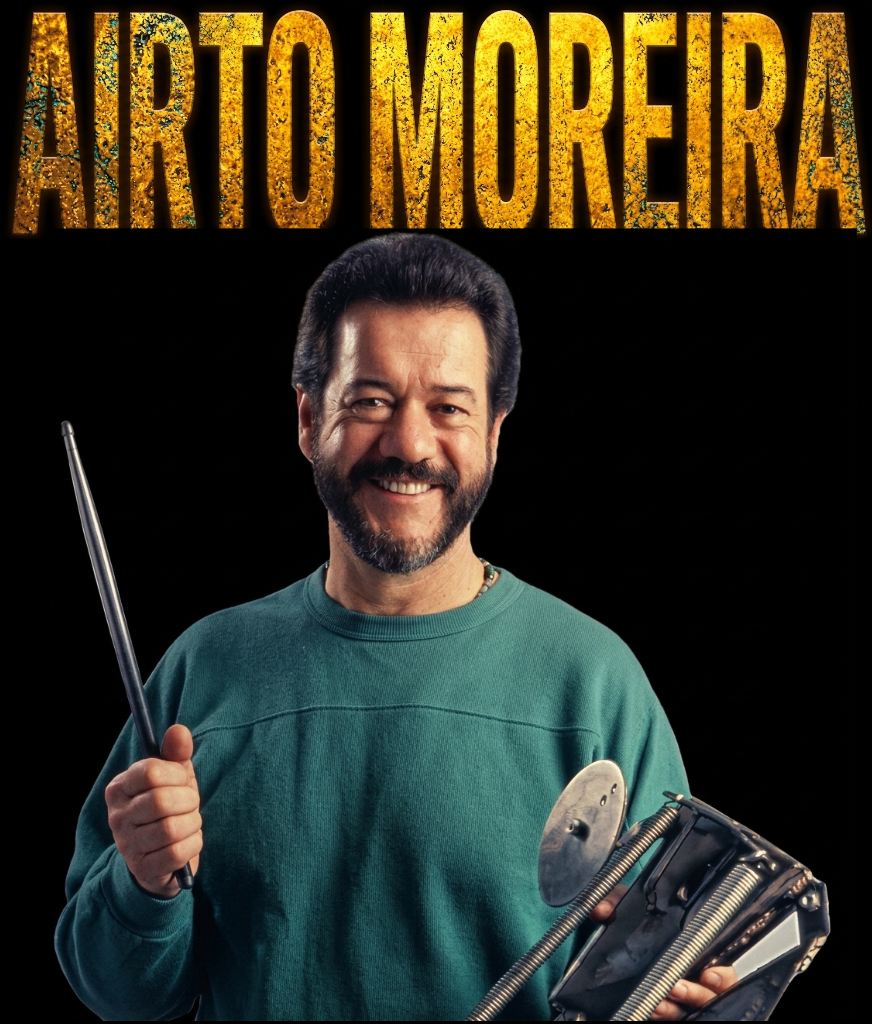
Airto Moreira’s approach to music—rooted in intuitive listening, personal liberation, and the irreplaceable power of human connection—shows that true innovation comes from responding organically to the present moment rather than conforming to labels or plans.
___
Airto Moreira is a renowned Brazilian jazz drummer and percussionist whose innovative rhythmic artistry helped shape jazz fusion and global music through his prominent recordings and collaborations with iconic artists like Miles Davis, Return to Forever, Weather Report, and Santana.
___
Sounds Visual: Coming from a family involved in Spiritism and folk healing, how has your relationship with unseen stage energies and performance boundaries evolved from 1970s New York clubs to today, and how do you protect your playful spirit when chemistry fails?
Airto Moreira: It wasn’t me actually. This kind of spiritual either comes or it doesn’t. The way I protect my spiritual energy is not to be involved with music that I don’t like. Also, keeping an open mind. If I like the sound of the music it clicks automatically, even without thinking. It just flows through me naturally when I perform.
SV: In high-stakes improvisation, how does fear show up in your body, what do you do in real time to move past it, and how do you decide that choosing silence is the best contribution to a dense band?
AM: Well actually, creativity happens. You don’t make creativity. I can’t say that I never made a mistake. The amount of creativity and the style of the music and the sounds that you use playing the instruments that you have is all together. It comes together by itself. I never made a plan and yes, I sometimes did feel fear. I deal with my fear on stage by playing. I just keep playing and somehow I always find the way through the creative door. You just ignore the fear.
SV: After your early experiences making albums with no plan or pushing past a producer’s doubts, what tells you within the first five minutes of playing with someone that a record is hiding inside the group?
AM: It depends if It’s my record or if its somebody else’s record that I’m producing. Sometimes you have to play sounds that you wouldn’t play for your own album. When the music starts, the door is open for you to play whatever you want to play. The first five minutes you just open and explore what you have to work with. Before I play any songs, while the band is going over the music, you are going over your instruments and deciding what to play. Sometimes you know in five seconds and sometimes it takes longer than five minutes to know.
Sounds Visual: If you lost every conventional instrument tomorrow, what three ordinary objects would you build music around?
Airto Moreira: I would use woods, maybe cage some birds for their sounds. Also strong metals and maybe glass.
SV: Looking back at being criticized in Brazil for playing drums and percussion together, and later boxed in as “exotic” in North America, how did resisting those labels clarify your voice, and where is the line between extending a tradition and being imprisoned by it?
AM: There is no line. I just do what I do and let the chips fall where they may. I play what I like. Sometimes my sound is more traditional and other times its more experimental. Since I was a child I always switched things up because I had no money to buy instruments. My collection is unique to me which liberates me musically.
SV: When Miles Davis asked “Where’s your shit?” after you showed up without gear, did that moment change your role from someone merely accenting the music to someone bringing an entire world of sound into the ensemble?
AM: No, actually I didn’t know that I was changing the way that all the percussionists played and what kind of instruments they played. I didn’t think about it. I always played in response to the music and I always did my thing.
SV: You’ve called yourself a “free man” playing with Miles despite his reputation for control; what did he not tell you to do that gave you the greatest liberty, and did the initial language barrier protect your instincts from over-intellectualization?
AM: Playing with Miles, I used the whole range of styles and everything, even without knowing what I was playing. I would play and he never really taught me, here you play this and then you can play the bridge, and etc… What I did was play casually. I played with Miles, even without knowing the importance of that little sound that I would play. I think the most important thing that I used was something that he told me one time because Miles never really talked too much. He said “You listen… and you play.” And that was it! I guess if he didn’t stop me, he must like what I’m playing.
SV: Listening back to Bitches Brew and Quarteto Novo, do you hear them as collisions of individual languages rather than single visions, and what specific choices by your bandmates changed how you played?
AM: I think something changed when I started playing with Miles, the same way something changed before I played with Quarteto Novo and Sambalanço Trio also. Even if I was playing right, I always tried to pitch a little sound here and there and there with all the bands that I’ve played in. Then I would add something different that would help the music to be heard and played.
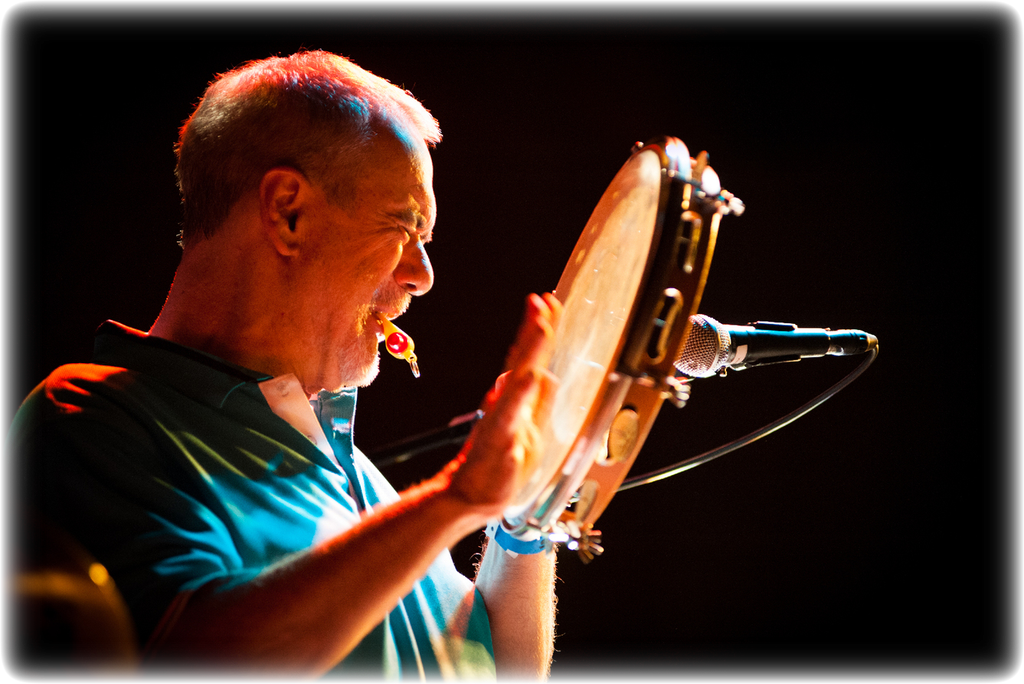
SV: Beyond your deep personal bond, what is something Flora Purim has taught you musically that you could only have learned from someone who knows you as intimately as she does?
AM: Musical sensitivity. What I heard from Flora’s singing was a new school for me. Everything she sang I enjoyed but I would never tell her that. Every time I played for Flora I would have fun and even today I feel the same way. Flora was the first singer in my world, male or female, that was listening to very good Jazz. I was crying and was embarrassed the first time she showed me John Coltrane’s “A Love Supreme”. This is when she showed me what musical sensitivity is.
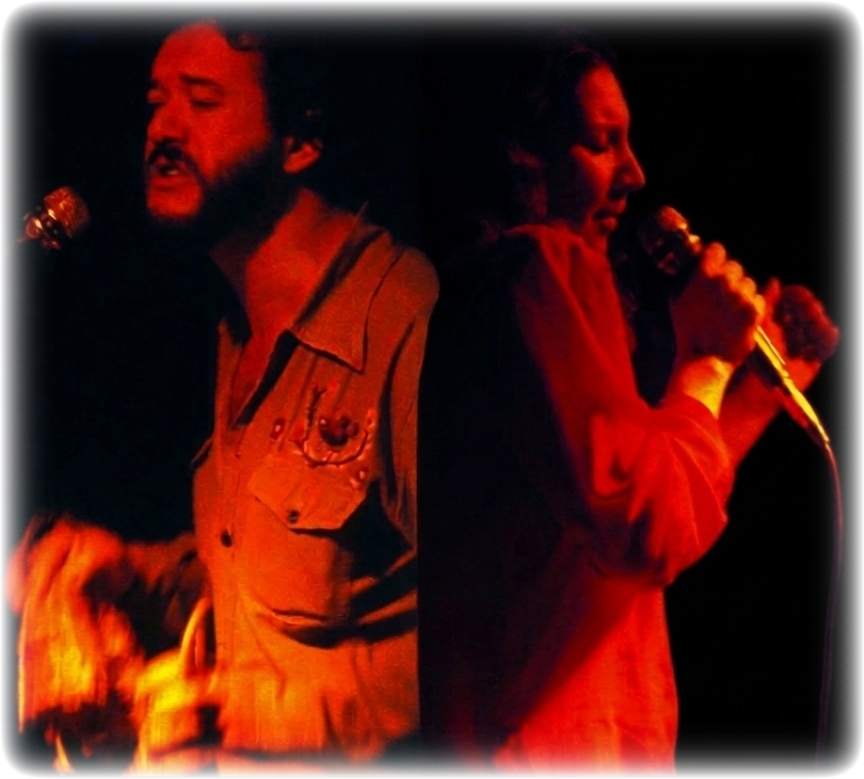
SV: At this stage of your life, when working on trust-based projects like the Bacelar/Maracanós sessions, what do you need from collaborators that you didn’t used to need, and what conditions preserve childlike discovery over becoming a “music worker”?
AM: This particular record to me was easy but all I had to do was anticipate what they’re going to do. Sometimes I wait a few bars before I start playing. It happens, its always there if you listen to the music with an open heart and open mind and spirit, music is something very spiritual so you let that music come through you and you play one of your little toys that is there or you play a big drum. I allow others to play what they want because then I can play WITH them, which is very important to play together and not against each other. The style is there already. If you don’t like the style, then don’t engage.
SV: Having lived through CTI-era label gatekeeping, do you find today’s algorithm-driven music industry more or less free for a young percussionist starting out?
AM: I think it depends on the percussionist and how they approach today’s music. If they just want to play the part they’re supposed to play then its more restricted. But if you hear things to play that other people don’t then you are more free.
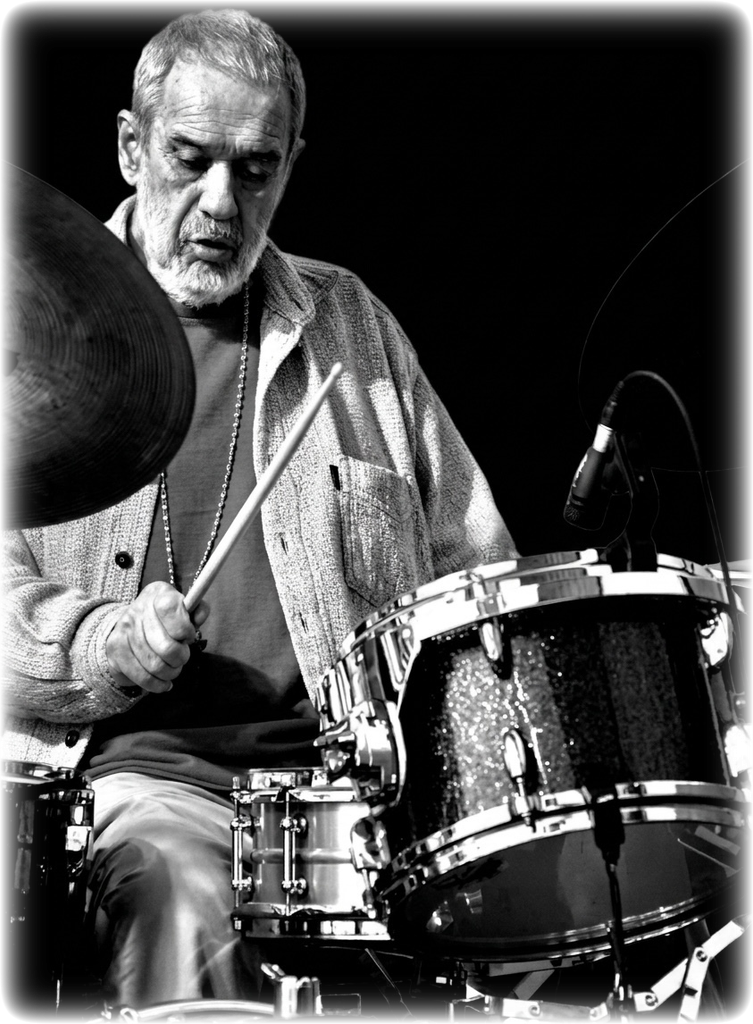
SV: Across decades of crossing genres from jazz to rock and electronic music, was there ever a musical boundary you deliberately chose not to cross because it would compromise something essential to your sound?
AM: Yes, when I tried to incorporate digital samples into our live show. It felt awkward to me so in the end I chose not to use samples in my own show.
SV: If a young percussionist today only knew you from digital clips and sample libraries, what is the one vital truth about your approach that modern video or algorithms simply cannot capture?
AM: There is nothing that creates the same impact as First Generation Sound. Human to human interaction is irreplaceable and invaluable when creating and performing music for people to enjoy.
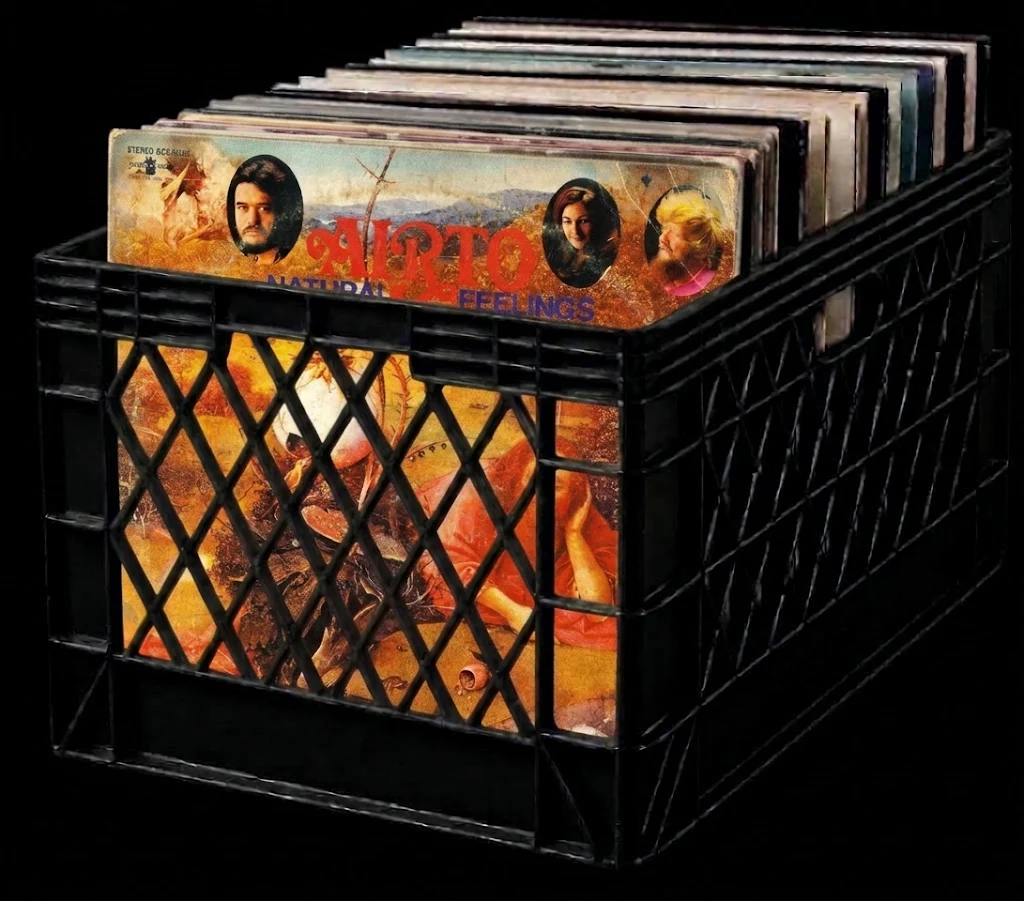
Further listening:
As Leader / Co-Leader
- Natural Feelings (Buddah/Skye, 1970)
- Seeds On The Ground – The Natural Sounds Of Airto (Buddah, 1971)
- Free (CTI, 1972)
- Fingers (CTI, 1973)
- Virgin Land (Salvation/CTI, 1974)
- In Concert with Eumir Deodato (CTI, 1974) – live
- Identity (Arista, 1975)
- Promises Of The Sun (Arista, 1976)
- I’m Fine. How Are You? (Warner Bros., 1977)
- Touching You…Touching Me (Warner Bros., 1979)
- Däfos with Mickey Hart & Flora Purim (Reference Recordings, 1983)
- Misa Espiritual – Airto’s Brazilian Mass with Gil Evans & WDR Big Band (Deutsche Harmonia Mundi, 1983)
- Latino / Aqui Se Puede (Sobocode/Montuno, 1984)
- Three-Way Mirror with Flora Purim & Joe Farrell (Reference Recordings, 1985)
- Humble People with Flora Purim (Concord Jazz, 1985)
- The Magicians with Flora Purim (Crossover, 1986)
- The Colours Of Life with Flora Purim (In+Out, 1988)
- Samba de Flora (Montuno, 1989)
- Struck By Lightning (Venture, 1989)
- The Other Side Of This (Rykodisc, 1992)
- Killer Bees (B&W Music / M.E.L.T., 1993)
- Homeless (M.E.L.T., 2000)
- Revenge Of The Killer Bees (M.E.L.T., 2000)
- Life After That (Narada/Venture, 2003)
- Aluê (2017)
Early Brazilian Groups
- Sambalanço Trio (Audio Fidelity / Som Maior, 1964–65)
- Sambrasa Trio – Em Som Maior (Som Maior, 1965)
- Quarteto Novo (Odeon, 1967)
Key Sideman & Collaborative Appearances
With Miles Davis:
Miles Davis At Fillmore (Columbia, 1970)
Live-Evil (Columbia, 1971)
Big Fun (Columbia, 1974)
Get Up With It (Columbia, 1974)
With Weather Report:
Weather Report (Columbia, 1971)
With Return To Forever / Chick Corea:
Return To Forever (ECM, 1972)
Light As A Feather (Polydor, 1973)
With Flora Purim:
Butterfly Dreams (Milestone, 1973)
Stories To Tell (Milestone, 1974)
Open Your Eyes You Can Fly (Milestone, 1976)
Everyday, Everynight (Warner Bros., 1978)
With Wayne Shorter:
Super Nova (Blue Note, 1970)
Native Dancer featuring Milton Nascimento (Columbia, 1975)
With Paul Desmond:
Summertime (A&M/CTI, 1969)
From The Hot Afternoon (A&M/CTI, 1969)
Bridge Over Troubled Water (A&M, 1970)
With Antonio Carlos Jobim:
Stone Flower (CTI, 1970)
With Stan Getz:
Captain Marvel (Columbia, 1975)
The Best Of Two Worlds with João Gilberto (Columbia, 1976)
With George Benson:
White Rabbit (CTI, 1972)
With Freddie Hubbard:
First Light (CTI, 1971)
Sky Dive (CTI, 1972)
With Hubert Laws:
Afro-Classic (CTI, 1970)
The Rite Of Spring (CTI, 1971)
With Stanley Turrentine:
Salt Song (CTI, 1971)
Gilberto With Turrentine (CTI, 1971)
With Cannonball Adderley:
The Black Messiah (Capitol, 1971)
The Happy People (Capitol, 1972)
With Santana:
Borboletta (Columbia, 1974)
Lotus (CBS/Sony, 1974)
With Gato Barbieri:
Under Fire (Flying Dutchman, 1973)
Bolivia (Flying Dutchman, 1973)
With Hermeto Pascoal:
Hermeto (Cobblestone, 1970)
Slaves Mass (Warner Bros., 1977)
With Milton Nascimento:
Courage (A&M/CTI, 1969)
Milton (A&M, 1977)
With Edu Lobo:
Sergio Mendes Presents Lobo (A&M, 1970)
Cantiga De Longe (Elenco, 1970)
With Joni Mitchell:
Don Juan’s Reckless Daughter (Asylum, 1977)
With Paul Simon:
Paul Simon (Columbia, 1972)
Leave a Reply
You must be logged in to post a comment.